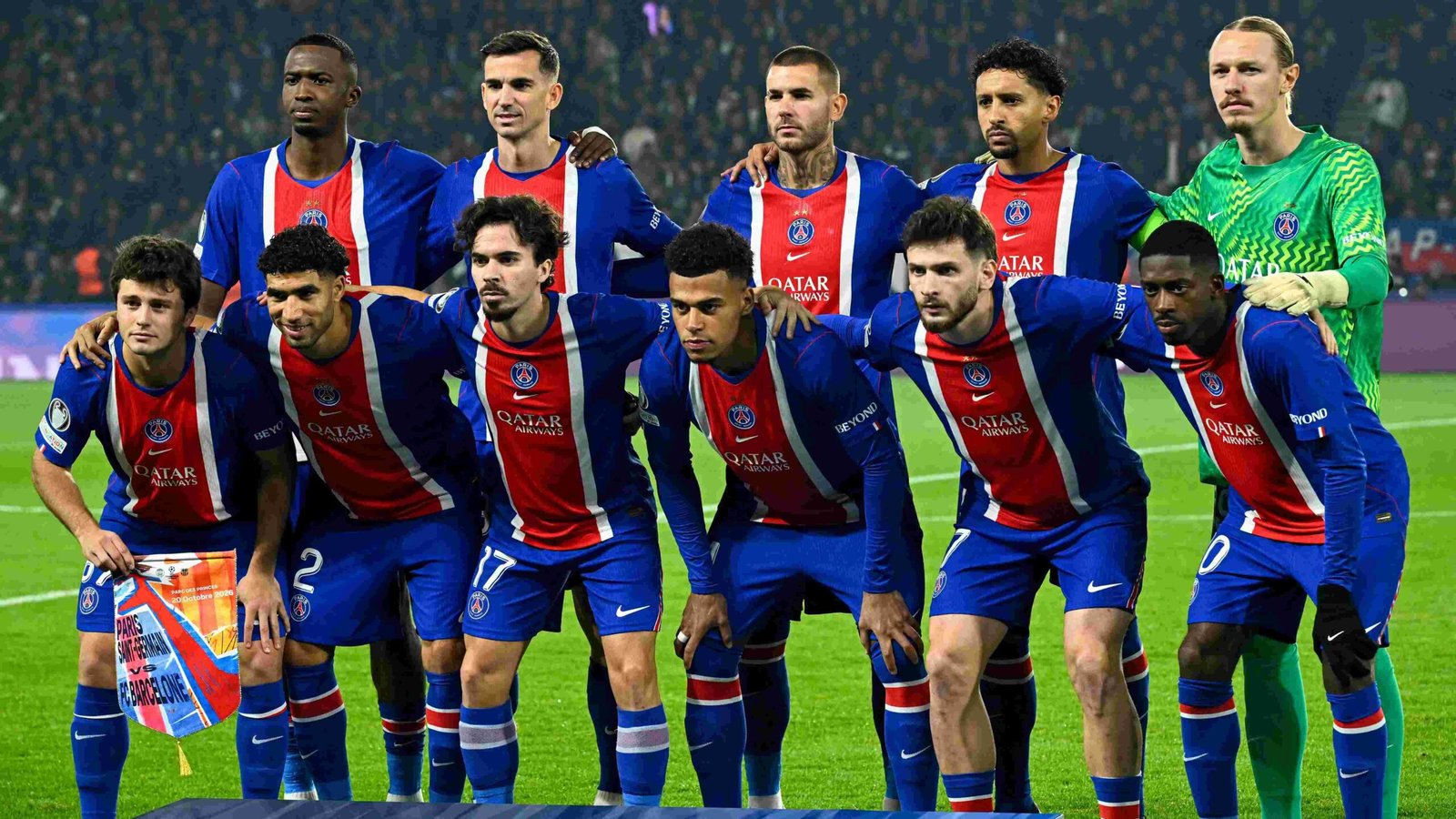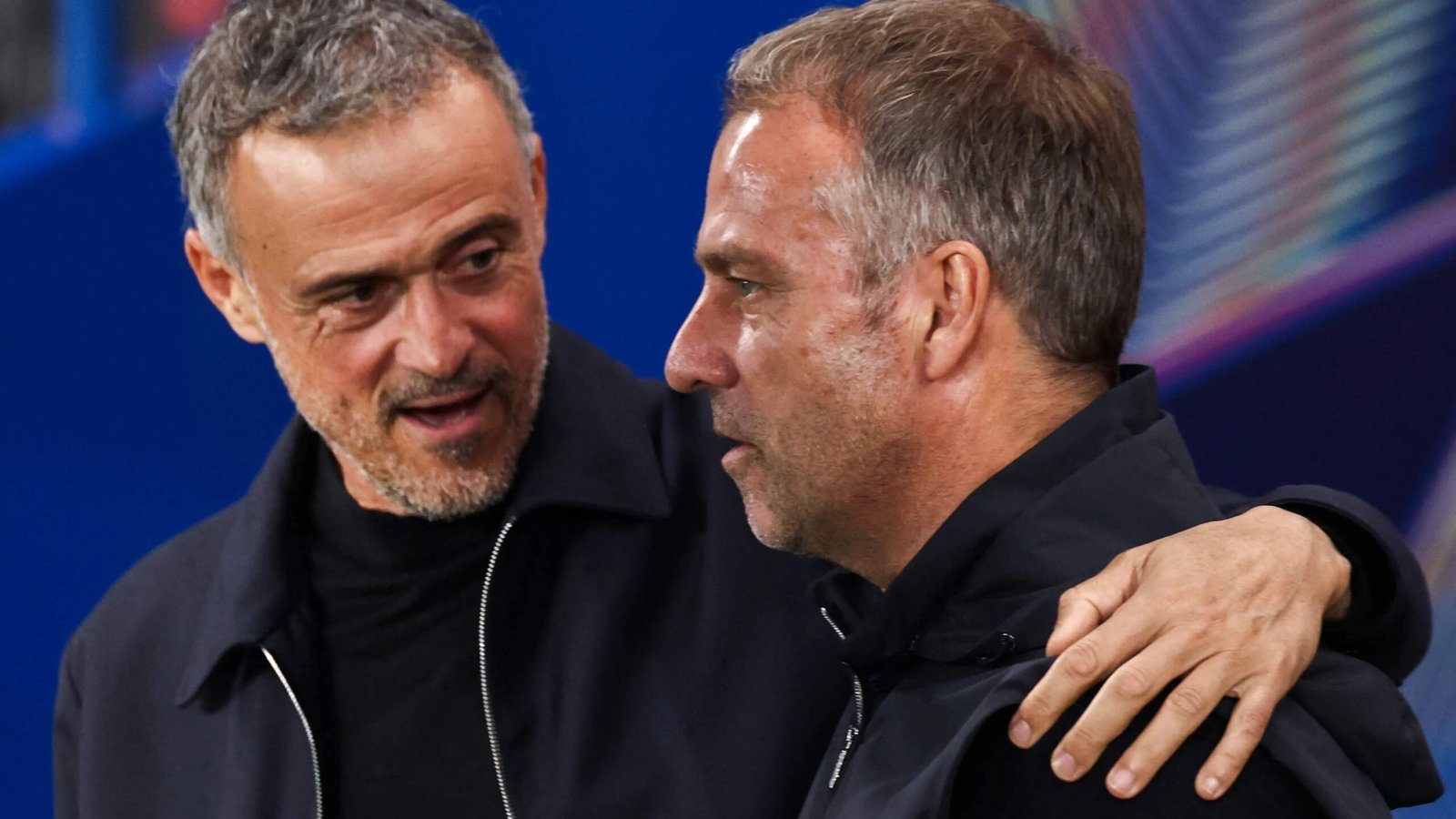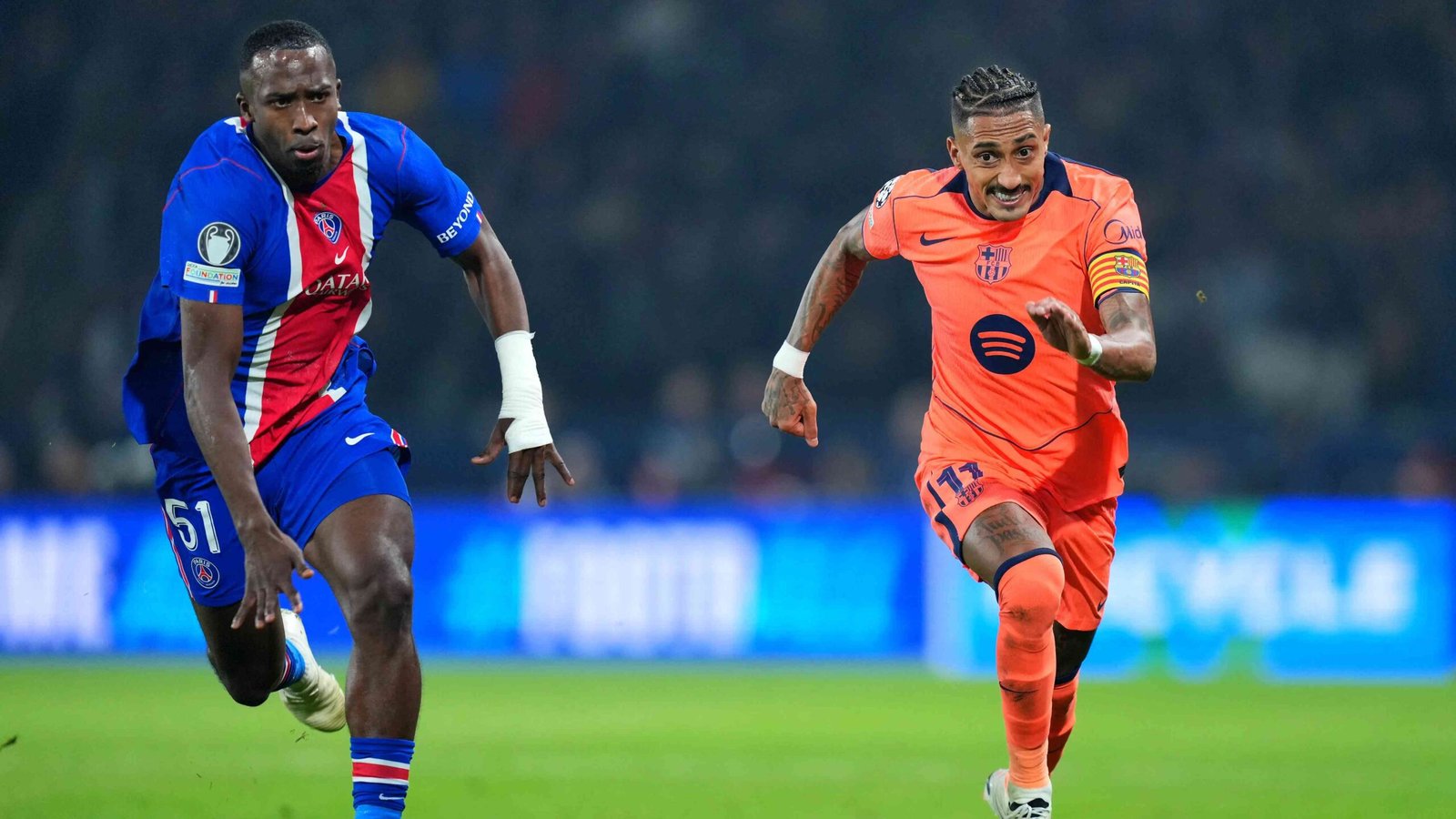
Barcelona’s hopes of regaining the Champions League were dented by a 4-2 defeat by Paris Saint-Germain on Tuesday, with Hans Flick’s side unable to control midfield, withstand pressure or protect the space behind their high defensive line.
Barcelona twice fought back to level, but Paris Saint-Germain repeatedly regained the initiative and eventually finished the match with confidence. The difference was not simply individual quality: the holders maintained a consistent attacking threat while Barcelona relied more heavily on isolated moments and openings.
Paris control the midfield battle
Barcelona had 53% possession compared with 47% for Paris Saint-Germain and also recorded the better passing accuracy, according to Flashscore. However, the attacking figures offered a clearer picture of the match.
Paris had 22 attempts to Barcelona’s 18, including 15 shots on target compared with only five for the Catalan side. Their expected goals figure was 3.73 against Barcelona’s 2.19, while Paris created six big chances to five.
Vitinha, Joao Neves and Fabian Ruiz gave the Paris midfield a constant supply of passing options. Their movement allowed the player in possession to escape pressure, forcing Barcelona’s defence to retreat rather than win the ball in advanced areas.
Pedri appeared to carry much of the responsibility for connecting the lines. The problem was not only a numerical disadvantage in midfield but Barcelona’s inability to close passing angles and prevent Paris from reaching the final third. Possession, in itself, did not translate into control of the game.
Barcelona’s high press and advanced defensive line can provide an attacking advantage when executed well. Against a team capable of moving the ball quickly, though, it also leaves room to exploit. Paris targeted those spaces effectively.
Achraf Hakimi repeatedly supplied dangerous crosses and created Ruiz’s fourth goal. He now has 19 Champions League assists, level with Mohamed Salah, and is one assist behind Samuel Eto’o’s record of 20 for an African player in the competition.
Desire Doue also took advantage of the space behind Barcelona’s defence, scoring Paris’s first goal and creating the second from a corner. He was named player of the match.
Rodri absence and disputed substitutions
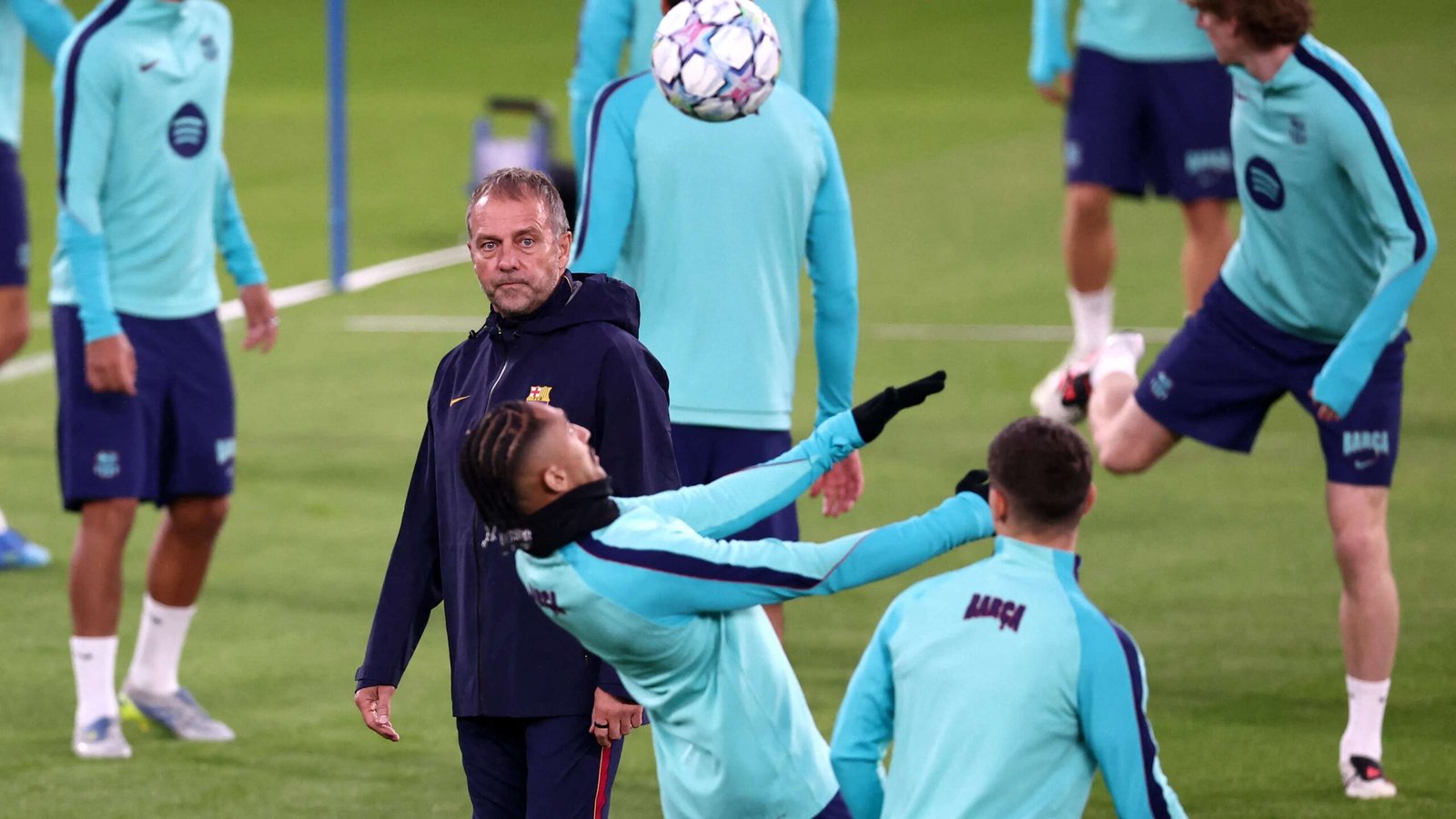
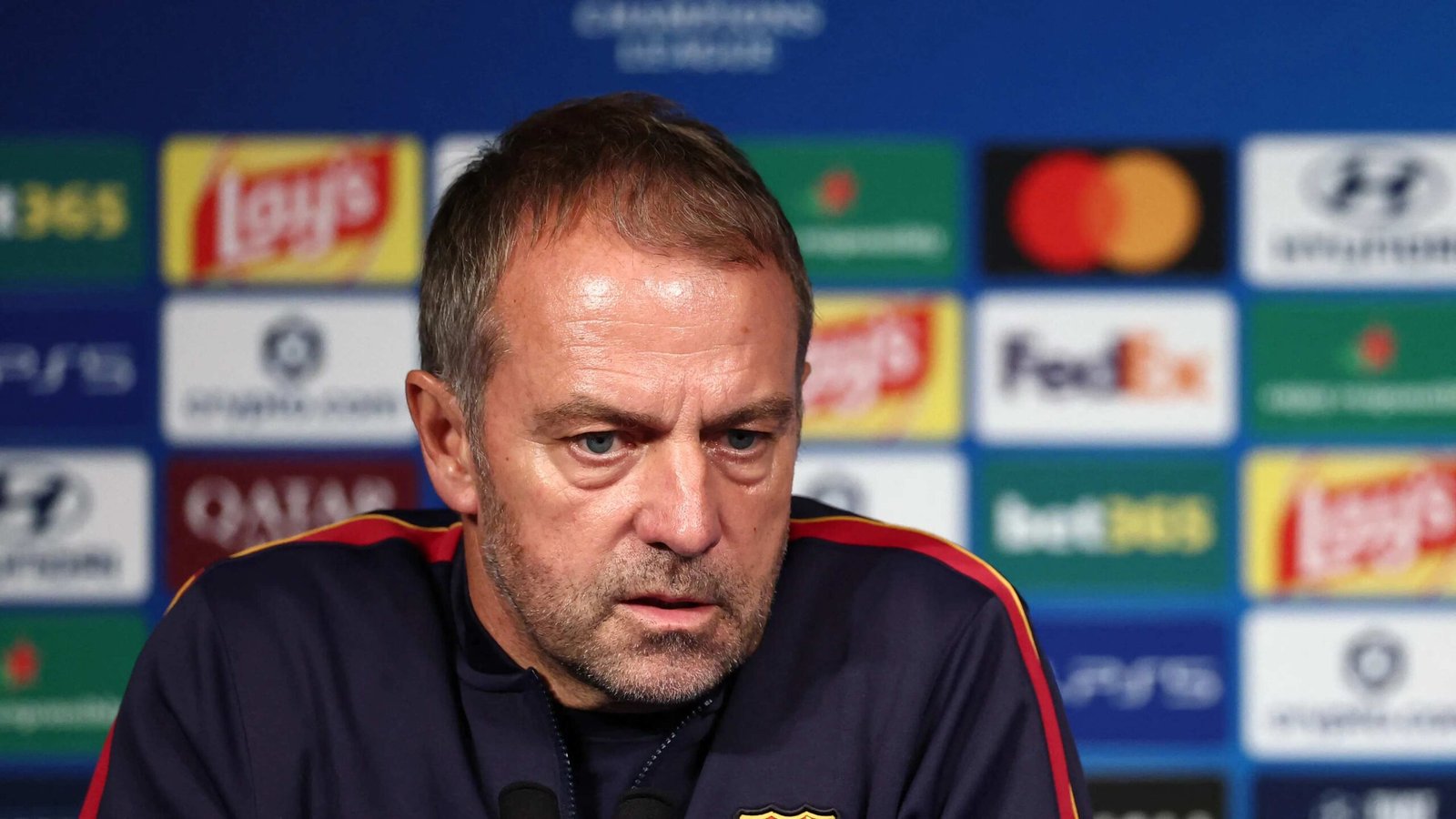
Flick’s decision to leave Rodri Hernandez on the bench was influential, although it did not explain the defeat on its own. The manager said he wanted to rest him after the midfielder had played the previous three matches in full, while also expressing confidence in Marc Bernal ahead of the Clasico against Real Madrid.
Rodri’s role could not be replaced simply by another midfielder. Barcelona needed someone able to play out under pressure, control the tempo, balance midfield and defence, and retain possession when necessary to calm Paris’s rapid transitions. Those functions were not adequately reproduced, leaving Pedri to cover several responsibilities.
Questions were also raised by the decision to withdraw Pedri and Raphinha in the 60th minute. Rodri’s introduction did not solve the wider problem, while replacing Xavi Espart after a positive display and keeping Anthony Gordon on for the full match invited further scrutiny.
Espart scored Barcelona’s equaliser after 74 minutes, had one shot on target, an xG of 0.29, completed 43 passes at 84% accuracy, and made four tackles and five ball recoveries.
According to ESPN, Gordon completed 90 minutes with 48 touches, no goal or assist, an xG of zero and an xA of 0.16. He had no shot, failed to put an attempt on target, won one duel and made one interception.
Paris’s ability to keep attacking after the score changed underlined the gap between the teams. Barcelona showed determination by recovering twice, but their attacking talent could not compensate for weaknesses in midfield and defence. Paris pressed effectively, exploited space, stayed composed after conceding and repeatedly imposed its stylequalities Barcelona still need to develop if they are to challenge seriously for the Champions League.