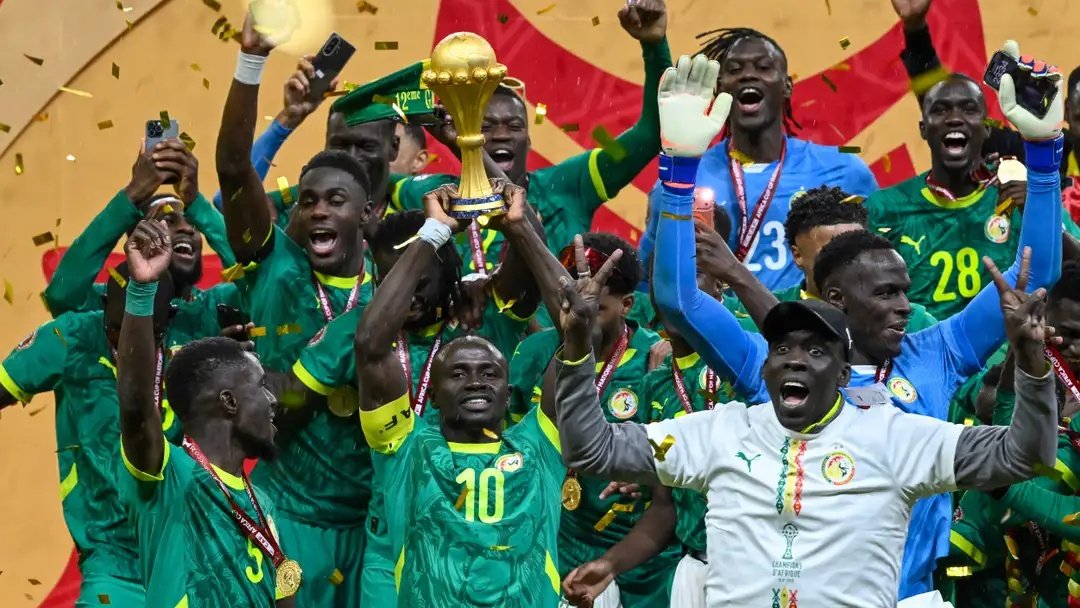
Morocco’s dispute over the 2025 Africa Cup of Nations final is not quite over, despite the Court of Arbitration for Sport (CAS) ruling in Senegal’s favour and awarding them the title.
The Royal Moroccan Football Federation has one remaining legal option: an appeal to Switzerland’s Federal Supreme Court. However, that process is narrowly defined and would not allow the court to reconsider the match itself or reassess the sporting evidence behind the CAS decision.
The ruling, issued on Tuesday, ended more than eight months of waiting, speculation and conflicting statements over the final. It followed a hearing held in Lausanne, Switzerland, at the beginning of October and stripped Morocco of the title in favour of Senegal.
What can Morocco do next?
Under Swiss law, the parties involved in the case have up to 30 days from the official notification of the CAS decision to lodge an appeal with the country’s highest judicial authority.
The Federal Supreme Court does not act as a further sporting tribunal. It cannot reopen the dispute from the beginning, revisit the facts of the final or decide which national team deserved to win the competition.
Instead, its review is focused on whether the arbitration process was legally valid and whether the rules governing the proceedings were properly followed.
There are five principal grounds on which an appeal against a CAS ruling can be based.
The first concerns the composition of the arbitration panel, including the appointment of a sole arbitrator or the formation of the panel that heard the case.
The second relates to jurisdiction. An appeal could be made if the arbitrators accepted a dispute that fell outside their authority, or rejected jurisdiction in a case they were entitled to determine.
A third ground applies if the panel ruled beyond the claims submitted by the parties, or failed to address one of the requests made during the proceedings.
The fourth concerns procedural fairness. This includes unequal treatment of the parties or a breach of an individual party’s right to present its arguments and case.
The final ground is a conflict between the arbitration decision and public policy, one of the limited circumstances in which a national court may intervene in an international arbitration ruling.
How realistic is a change of title?
Morocco would therefore need to demonstrate a serious legal or procedural defect falling within one of those five categories. Simply disagreeing with the CAS’s conclusion would not be enough.
The Federal Supreme Court would examine the conduct and legal safeguards of the proceedings, rather than the events of the final or the merits of Morocco’s and Senegal’s claims to the trophy.
The figures underline how exceptional this route is. CAS says about 6% of its decisions are appealed to the Swiss Federal Supreme Court each year.
Morocco now has 30 days to decide whether its legal team believes there are sufficient grounds to begin what would be the final stage of the dispute.