Morocco have 30 days to challenge the Court of Arbitration for Sport’s (CAS) decision to award Senegal the 2025 Africa Cup of Nations title, although any appeal would be limited to legal and procedural issues.
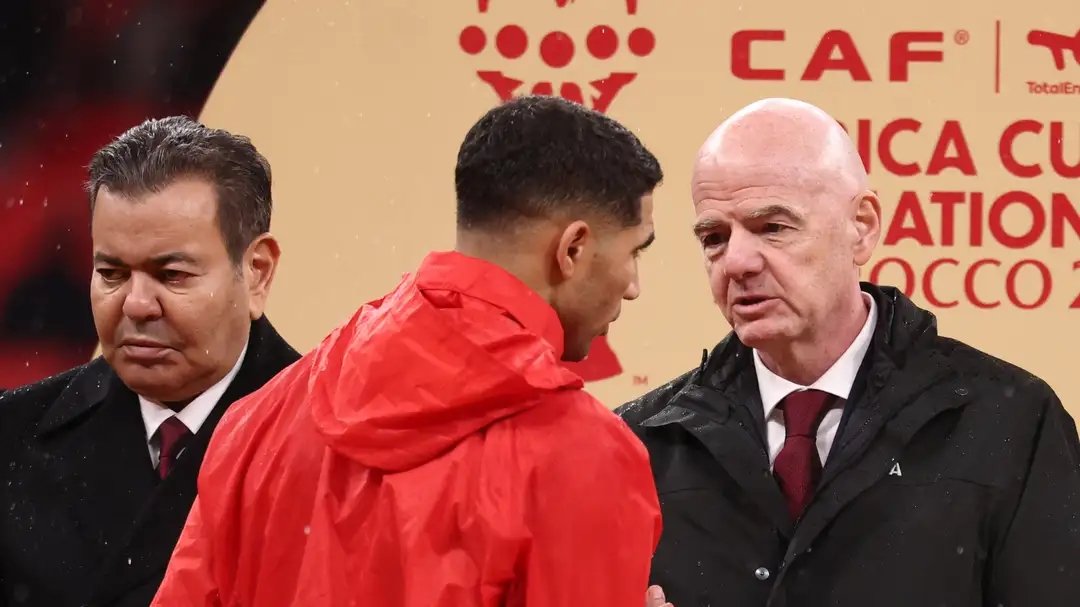
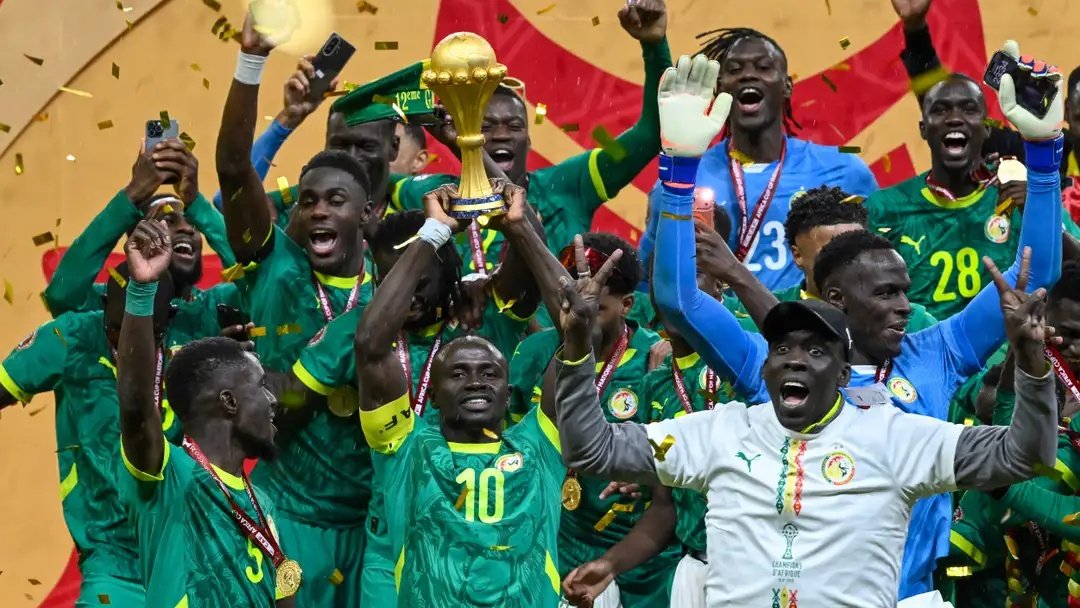
CAS ruled on Tuesday in favour of Senegal in its dispute with the Confederation of African Football (CAF) and the Royal Moroccan Football Federation, ending more than eight months of uncertainty surrounding the final. The decision removes the title from Morocco and gives Senegal the outcome it had been seeking.
The case followed months of conflicting statements and speculation, as well as a hearing held in Lausanne, Switzerland, at the beginning of October.
Under the relevant regulations, CAS decisions can be challenged before the Swiss Federal Supreme Court, the country’s highest judicial authority. Morocco and the other parties involved have up to 30 days from formal notification of the ruling to submit an appeal.
However, the Swiss court would not reconsider the footballing evidence or reopen the dispute from the beginning. Its review would focus on whether the arbitration process was conducted correctly and whether the rules governing it were followed.
CAS says only about 6% of its decisions are challenged before the Swiss Federal Supreme Court each year, highlighting how exceptional the procedure is.
Five possible grounds for appeal
A challenge can be based on five main grounds. These include an improperly constituted arbitration panel, whether because of the appointment of a sole arbitrator or the composition of the panel hearing the case.
An appeal may also be made if CAS accepted a dispute outside its jurisdiction, or rejected jurisdiction in a case it was entitled to decide. Other grounds include ruling beyond the claims submitted by the parties or failing to decide one of their requests.
A party can further argue that it was not treated equally or was denied the opportunity to present its case. The final ground is a conflict between the award and public policy.
Morocco’s prospects therefore depend on proving a serious legal or procedural defect rather than simply disputing the outcome.
Hours before Tuesday’s ruling, the Royal Moroccan Football Federation sent an urgent letter to CAS about what it described as an alleged “incident” that could affect the integrity of the case.
According to Radio Mars sources, Morocco intends to pursue all available legal rights and will not ignore what it called a “highly concerning situation”. The issue reportedly involves a phone call on Sunday between a German legal expert, one of the three arbitrators appointed by CAS, and Senegal Football Federation president Abdoulaye Fall.
Morocco said it was surprised by the contact and reserved the right to use every available legal avenue. If it can prove the arbitrator lacked impartiality, or establish another basis for annulment, the ruling could be set aside.
Previous Swiss court interventions
There are two precedents offering Morocco some grounds for hope. In December 2020, the Swiss Federal Supreme Court annulled an eight-year ban imposed on Chinese swimmer Sun Yang after finding that one CAS panel member was biased. The case was ordered to be reheard by a differently constituted panel.
On 22 June 2023, the court also overturned a CAS ruling in the contractual dispute between Croatian club Dinamo Zagreb and Austrian assistant coach Rene Poms because of a defect in the arbitration panel’s composition.
CAS had awarded Poms compensation of about 220,000 euros after his dismissal in March 2020, when Dinamo Zagreb’s assistant coaching staff rejected proposed salary reductions during the coronavirus pandemic. The Swiss court ruled that replacing an arbitrator after the legal deadline had expired had compromised the panel’s formation and ordered the case to be reconsidered.