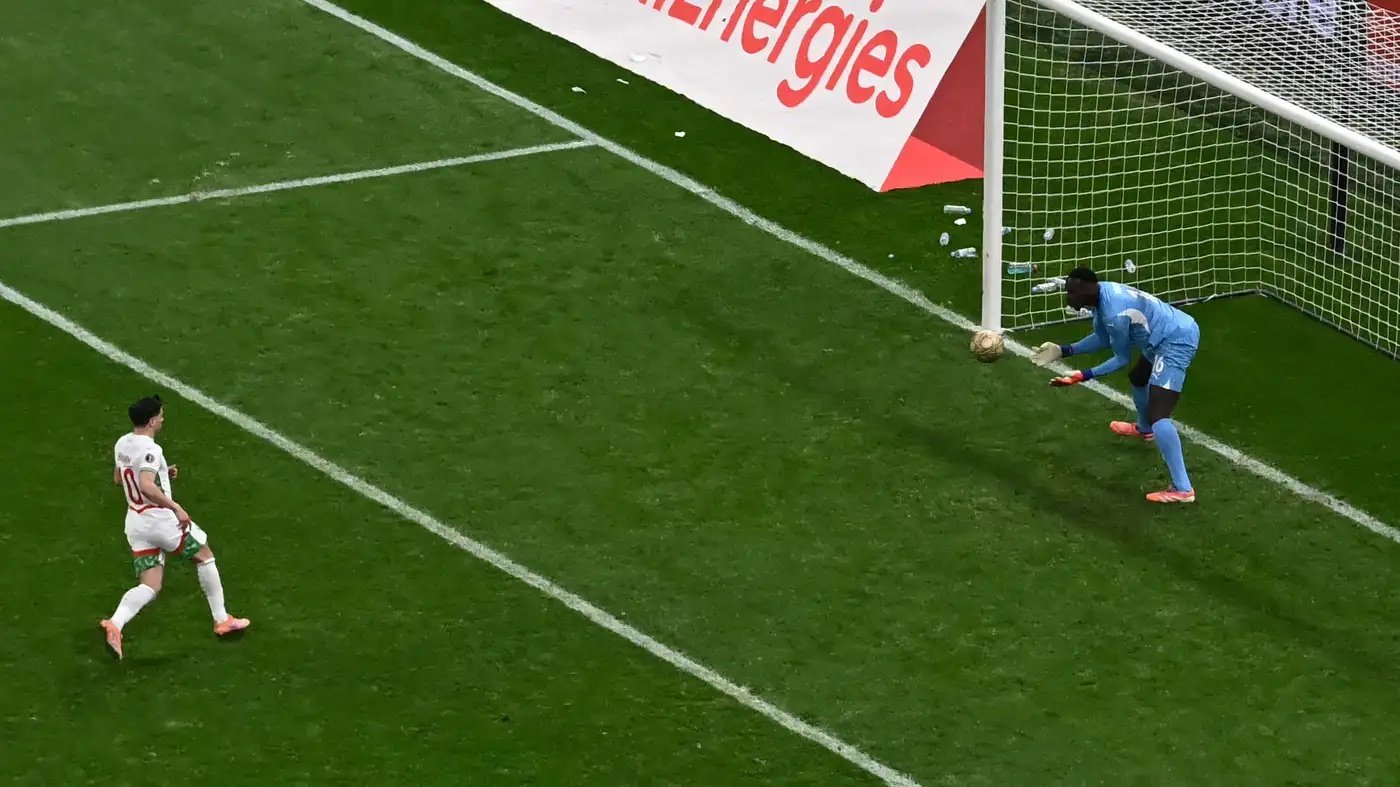
Al Nassr beat Al Kholood 5-3 on Thursday to claim three points in the 12th round of the Saudi Pro League, but their attacking performance was undermined by defensive weaknesses that could prove costly against stronger opposition.
The home side scored five times in an impressive display going forward, yet conceding three goals to Al Kholood highlighted recurring problems with marking, positioning and individual defending.
For a team aiming to challenge for the Saudi Pro League title, the manner in which those goals were allowed raised questions about whether Al Nassr can maintain their defensive discipline in more demanding matches.
Al Kholood punish defensive errors
Al Nassr’s problems began in the 16th minute when French forward Julian Domingues gave Al Kholood the lead. He found space in front of the defence, moved past Mohamed Simakan with relative ease and finished beyond goalkeeper Bento Matheus.
The goal exposed Al Nassr’s vulnerability in one-on-one situations and set the tone for a match in which Al Kholood repeatedly found opportunities by exploiting gaps in the defensive structure.
Al Nassr restored control with their attacking quality, but they conceded again in the second minute of first-half stoppage time. Cameroon’s Antoine Essomba took advantage of a lapse in defensive coverage to bring Al Kholood back into the contest.
That second goal suggested the issue extended beyond an isolated mistake. Al Nassr’s organisation had again broken down, allowing their opponents to make use of the space available to them.
Late penalty completes worrying picture
Al Nassr appeared to be on course to finish the match without conceding again, but Al Kholood scored a third time in the fourth minute of second-half stoppage time.
The referee awarded a penalty after reviewing the incident on the video assistant referee system, with defender Saad Al Nasser judged to have committed the foul.
Domingues converted from the spot to score his second goal of the match. The penalty completed an uncomfortable defensive performance for Al Nassr, who were unable to keep a clean sheet against a side that made the most of the mistakes and openings presented to them.
The three goals had a clear common theme: poor marking and defensive errors. Al Nassr were exposed both in direct duels and when dealing with situations inside their own penalty area.
Those shortcomings did not prevent victory on this occasion, largely because Al Nassr’s attacking output proved decisive. However, the same lapses could become a serious problem against opponents with greater attacking ability and the quality to punish even limited chances.
The five goals scored by Al Nassr therefore cannot conceal the need to correct their defensive weaknesses. Unless those issues are addressed, the team risk paying a heavier price in more difficult fixtures during the next stage of the season.