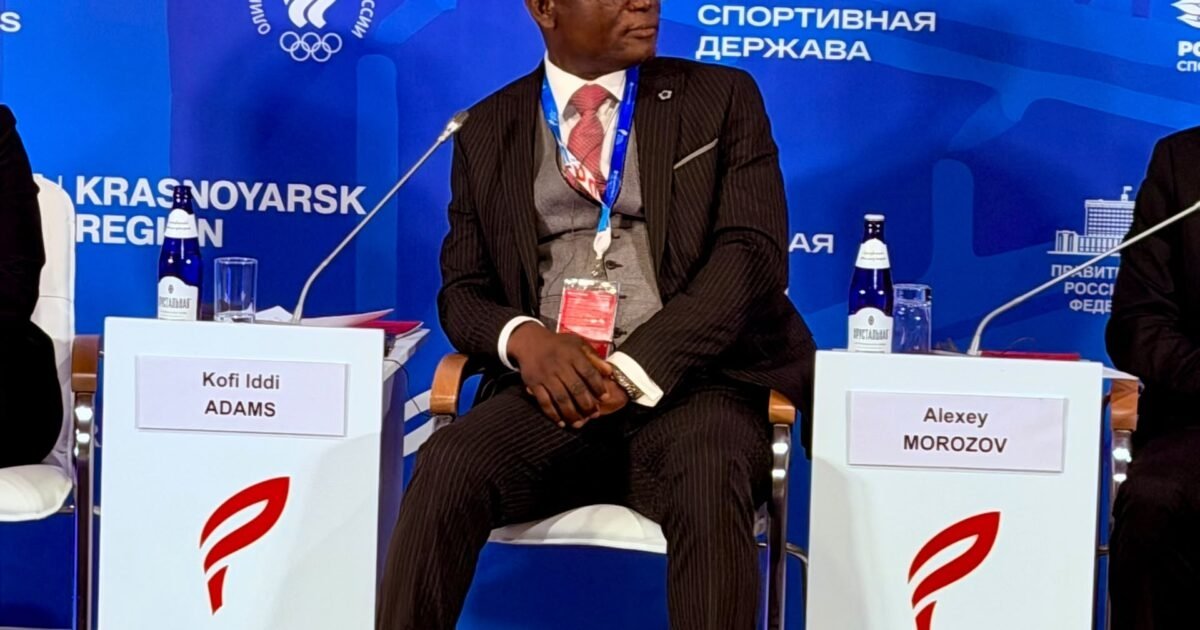
Ghana’s Sports and Recreation Minister Kofi Adams has called for fewer barriers to cross-border travel for African athletes and stronger cooperation with Russia to expand training opportunities for young people.
Speaking at the “Russia–Africa: Together Towards Sporting Victories” panel during the 14th International Sports Forum “Russia: Country of Sports” in Krasnoyarsk, Mr Adams said closer sporting links could help Africa develop its potential.
The forum, held from 21 to 23 October, brought together government officials, sporting organisations, investors and experts to discuss professional and grassroots sport.
“Ghana values its relationship with Russia, which dates back to 1958, as early as January,” Mr Adams said. “It meant that less than one year after attaining independence, we formalized our relationship with the Russian Federation, and it has been so till now.”
He added: “Sports clearly is now the new area, which speaks louder than any diplomat will ever speak for any country. And so it is important to engage in these collaborations.”
Building sporting links
Mr Adams said sporting cooperation with Russia should complement efforts to make travel within Africa easier, particularly for the continent’s large young population.
He said Africa was working towards integration and travel “without requesting visas before even entry”, describing the ambition as opening up the continent and treating it as “just one nation”.
Africa’s population of 1.6 billion people includes more than 60% aged below 25, he said. That created a significant pool of potential athletes, although African countries did not always have the capacity to provide all the necessary training.
“Having a relationship with Russia, where they will provide some kind of training, I mean, technical areas are areas that Africa is willing to exploit,” he said.
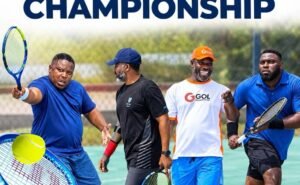
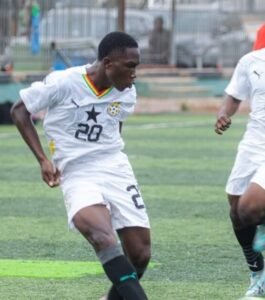
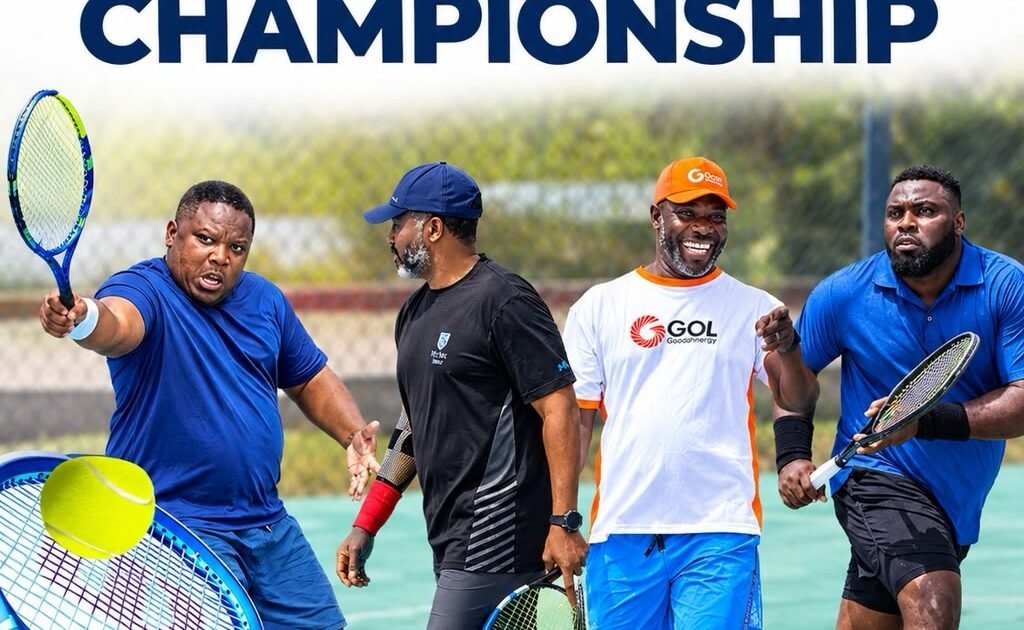
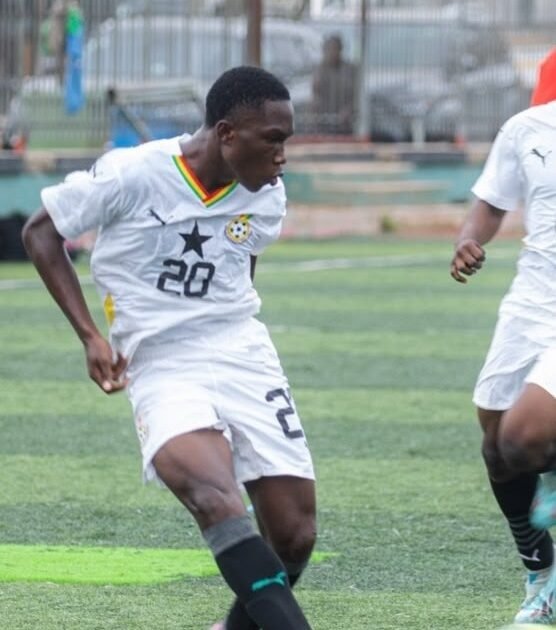
Ghana has already developed programmes in football, boxing and tennis, Mr Adams said, but wanted to increase opportunities for young athletes in those sports.
Grassroots priority
The minister stressed that elite success depended on investment at the earliest stages of development.
“Grassroots sports, we cannot develop at the higher level if we don’t start from the foundational level,” he said. “Everything starts from the foundation. If the foundation is very strong, you can put any superstructure on it.”
He said Ghana wanted partnerships that would allow children to try different forms of movement and sport before progressing into elite competition, coaching or other careers in the sector.
“The child must have opportunity to be introduced into various forms of work, movement and sports,” Mr Adams said. “Let the child grow and grow through it to the level where they can go into elite sports or choose to do coaching or choose to do any other fields of work, sports.”
Mr Adams also outlined reforms designed to strengthen Ghana’s sporting system. The Ghana Sports Fund, established under Act 1159 of 2025, provides a statutory basis for raising resources for athlete preparation and welfare, infrastructure, school sport and recreational programmes.
The Schools and Grassroots Sports Secretariat has also been created to improve coordination between early participation, talent identification and elite development.
The reforms aim to create a more sustainable sector while opening opportunities for businesses in sports equipment, broadcasting, facility management and digital services.