Ghana Football Association (GFA) Communications Director Henry Asante Twum has defended the work of the Match Review Committee, insisting complaints about refereeing in the Ghana Premier League are being investigated despite no public details about the outcome of its reviews.
The committee has also not publicly announced disciplinary action against referees, prompting concerns over the transparency of the process.
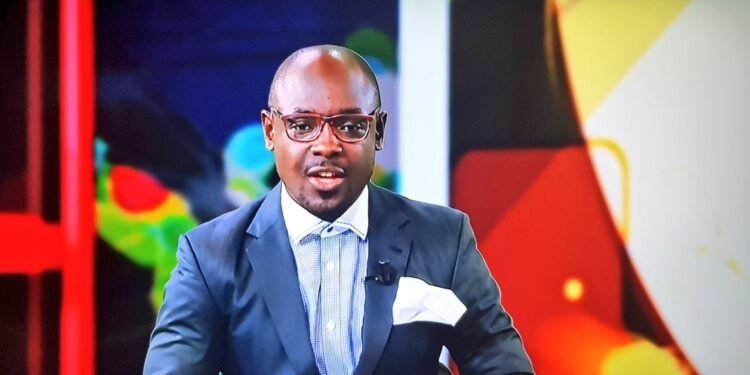
Speaking on Asempa FM’s Ultimate Sports Show, Asante Twum said the panel, chaired by retired FIFA referee Justice Yeboah, had asked the GFA’s Communications Department to provide match footage for its investigations.
He said the committee was not dependent only on complaints submitted by clubs and had the authority to examine matches on its own initiative.
“Even though clubs have the opportunity to complain for the FA to act when they notice any wrong, the committee or the panel itself, with power granted by the Executive Council, should review matches,” he said.
The Match Review Committee was given that authority by the GFA Executive Council, allowing it to assess contentious incidents independently of formal complaints from teams.
Asante Twum said the review process could take considerable time because the committee’s five members might need to gather at the GFA headquarters to study footage and agree on their decisions.
“Even if it requires all five members to meet at the FA and review the matches and make decisions, they do. It sometimes takes a whole day or two to review and take decisions,” he added.
He acknowledged that the lack of public information about sanctions against referees had contributed to concerns, but said the absence of announcements should not be interpreted as evidence that complaints were being disregarded.
“Unfortunately, publication is not done when a referee is punished,” he said.
Asante Twum said he remained confident that the review system could lead to action when an official was found to have made a mistake.
“So long as the system is committed, then I believe that the leaders will take decisions when someone is found to have faulted,” he added.
The committee’s work comes as refereeing decisions continue to attract significant attention in discussions surrounding the Ghana Premier League. It is responsible for assessing disputed officiating incidents and determining whether further action is required.