The University of Ghana’s medal-winning performances at the 2026 Federation of African University Sports (FASU) Games and West African University Games (WAUG) have highlighted how university sports programmes can support athletes’ physical, academic and psychological development.
The university won 23 medals at the 12th FASU Games in Cairo in September 2026, comprising 10 gold, seven silver and six bronze. Its gold-medal winners included competitors in the men’s 100 metres, 400 metres, 110 metres hurdles, long jump, 4 × 100 metres relay and 4 × 400 metres relay, as well as the women’s 200 metres, javelin and 4 × 400 metres relay.
At WAUG 2026, staged at Obafemi Awolowo University, Ile-Ife, the University of Ghana finished second in the published medal standings with 59 medals, while also being recognised for its sportsmanship.
The results demonstrate competitive success across athletics, tennis and badminton. They do not, however, prove that institutional support caused the medals or that the university’s athletes possessed greater confidence or composure than competitors from other institutions. Establishing that would require systematic behavioural observation and validated psychological assessments.
They do provide a basis for examining how university structures can help athletes prepare for competition, manage pressure and recover from setbacks.
Building a performance environment
The University of Ghana’s Sports Directorate has a remit extending beyond the organisation of competitions. Its responsibilities include sporting excellence, fitness and wellness, sports for persons with disabilities, sport as an academic and professional pursuit, and sport for development and peace.
The university’s sports policy also addresses athlete welfare, funding, facilities and the relationship between academic and sporting development. Such structures can give athletes and coaches greater certainty over training, competition schedules, equipment, accommodation, nutrition and medical care.
When those resources are unreliable, athletes may be forced to divide their attention between performance and concerns over transport, food, equipment or academic responsibilities. Consistent institutional provision can therefore remove avoidable obstacles and allow coaches to plan training cycles more effectively.
The framework also connects sporting opportunity with responsibility. The University of Ghana Sport Fund scholarship scheme is designed to support eligible student-athletes and attract sporting talent, while requiring continued academic and sporting progress. That model encourages commitment and development, but should not prevent athletes from raising concerns about unsafe training, poor recovery, unfair treatment or inappropriate coaching.
A healthy sports culture combines discipline with respect for athletes’ rights. It should produce athletes who are committed without being exploited, ambitious without neglecting their education and disciplined without being intimidated.
Confidence and composure
Confidence in sport is influenced by preparation, perceived competence, coaching feedback, previous performances and experience of comparable competition. Qualified coaching, regular competition and objective performance data can help athletes understand their progress, while welfare support can reduce distractions.
Institutional reputation alone cannot replace effective training, and previous victories do not guarantee future success. Confidence is most useful when it is based on realistic goals, technical ability and the capacity to adapt.
Composure likewise does not mean the absence of anxiety. It involves maintaining control of attention, emotion and behaviour when competitive pressure rises. A false start, disrupted hurdle rhythm, poor relay exchange or excessively fast opening pace can damage an athletics performance. In team sports, arguments with officials, opponents or team-mates can undermine tactical discipline.
Competition simulations, pre-performance routines, breathing techniques, attentional cues and post-performance reviews can help athletes develop these skills. The University of Ghana’s sports policy identifies academic, emotional, psychological and medical support as part of student-athlete welfare, although the policy itself does not demonstrate that every athlete receives specialist sports psychology services.
Athletes can also be taught to reset after mistakes. A runner cannot change a poor start, a tennis player must prepare for the next point and a footballer must recover position after an error. Coaches can develop these responses through scenario-based training, performance reviews and clear behavioural standards.
Visible frustration should not automatically be interpreted as weakness, nor should an apparently calm athlete be assumed to be psychologically secure. More useful measures are whether the athlete regains focus, follows the tactical plan, communicates constructively and continues to perform the required task.
Welfare and long-term development
The demands of training and competition must be balanced with financial security, injury management, nutrition, accommodation and academic responsibilities. Persistent uncertainty in these areas can affect motivation, concentration and confidence.
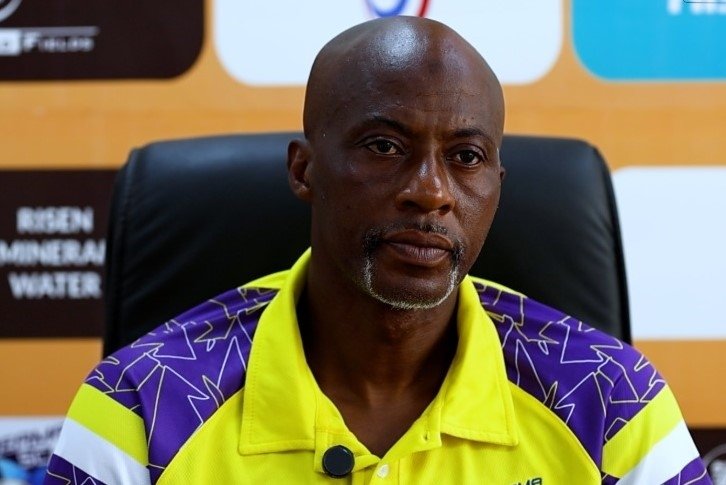
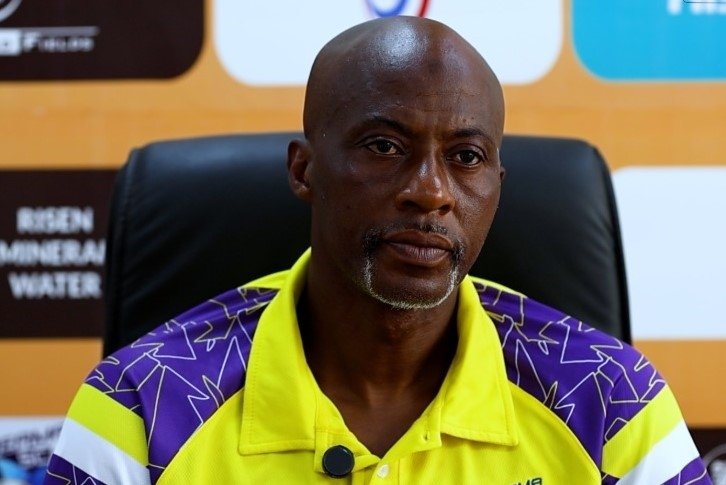
Reports from the University of Ghana team identified the difficulty of combining training with lectures and examinations. Team representatives also acknowledged the importance of sponsor support and satisfactory accommodation and feeding during the Games. Coach Mary Zambilia Yahaya emphasised the challenge of managing sporting preparation alongside academic commitments.
Psychological security does not mean shielding athletes from defeat or difficulty. It means ensuring they understand expectations, have suitable support and can raise legitimate concerns without fear of retaliation. Welfare also includes safeguarding, fair treatment, appropriate training loads, medical assessment, recovery and respect for academic responsibilities.
Lessons for university sport
The University of Ghana case suggests that administrators should create transparent athlete-development pathways, integrate psychological preparation into coaching and strengthen arrangements for accommodation, nutrition, medical care, injury management, safeguarding and academic assistance.
Universities should also monitor personal bests, training attendance, injuries, competition results and performance progression rather than relying only on medal totals. Behavioural standards covering discipline, teamwork, respect for officials and responses to mistakes should be clear and applied fairly.
Support systems should be evaluated across successive seasons to determine whether resources, welfare outcomes, athlete development and results are improving. Confidence cannot compensate for poor coaching or inadequate facilities, while a positive attitude cannot remove structural barriers.
The University of Ghana’s 23 medals at FASU and 59 at WAUG demonstrate achievement, but the wider lesson is that sustainable success depends on systems that help athletes develop technically, physically, academically and psychologically. Competitive performance and athlete welfare are most effective when they reinforce one another rather than operate in conflict.
Source: Ariyo Olayiwola Olumuyiwa, Certified Sport Manager, FIFA, International Sport Safeguarding Expert and Researcher in University and Youth Sports.