Football administrator Eric Alagidede has urged FIFA members to reject plans to allow private investors to buy stakes in a new commercial company overseeing the organisation’s major competitions, including the World Cup.
FIFA plans to establish FIFA Forward Enterprise (FFE), a commercial subsidiary that would manage its main events. The proposed structure would allow external investors to make “minority, non-controlling investments” in the company.
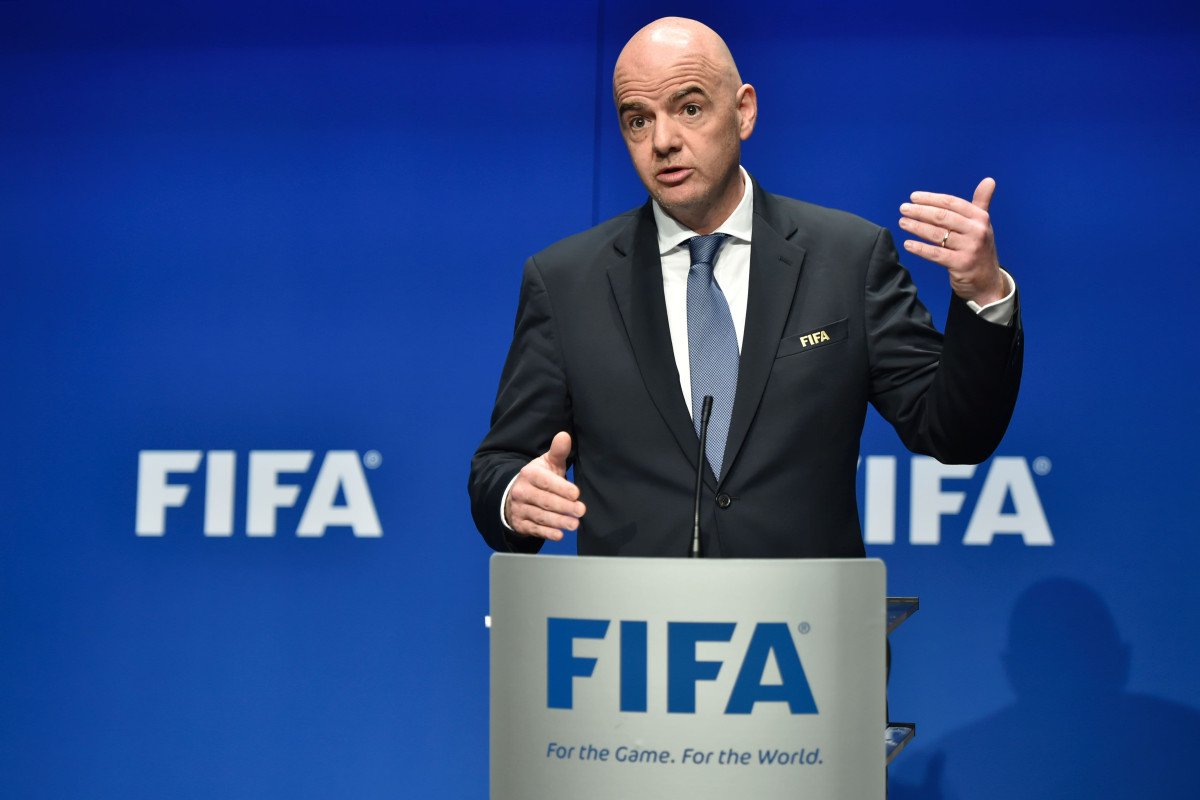
The proposal must be approved by a vote of FIFA’s 211 member associations. FIFA President Gianni Infantino has written to those associations saying they would receive $40m (£30m) if they support the plan. He has also set 19 September as the deadline for federations to accept the proposal if they want to receive an initial $20m (£15m).
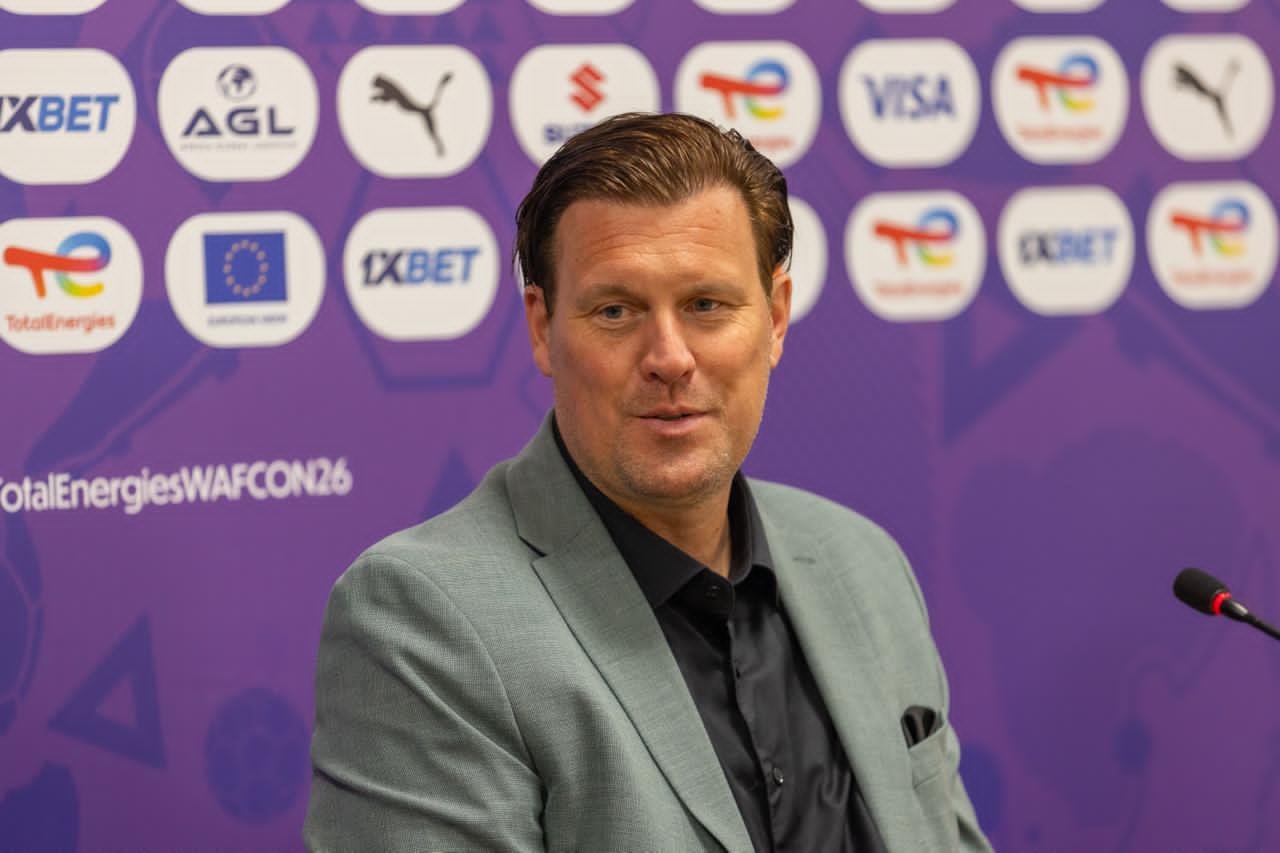
Alagidede, the former general manager of Accra Great Olympics, said the plan risked making football less accessible to supporters.
“You cannot commercialise everything and make it so expensive for people to find it is very difficult to watch the game that they love. How many people in the top echelons of our economists actually watch football?
“Very few come to Ghana and ask how many bank managers or top-level CEOs go to the stadium on Sundays. Very few of them. So I think we should not over-commercialise football.
“Truth also be told: when some of these monies arrive, they will end up not being used for the purposes for which they are meant. So for me, I think it’s something we shouldn’t back. It’s something that would really take a lot away from FIFA.
“And you saw how people were complaining about tickets at the last World Cup. The game is for the fans,” he added.
Speaking to Luv FM, Alagidede argued that decisions about football’s future should take greater account of supporters and the people who attend matches, rather than focusing mainly on investment and commercial income.
He also questioned how closely some senior business and economic figures follow the game, pointing to the limited number of bank managers and chief executives who attend matches at stadiums in Ghana on Sundays.
Opposition to the FIFA proposal has also emerged from football’s governing bodies in Europe and North and Central America and the Caribbean.
UEFA voted on Thursday to boycott World Cups if the plan went ahead. Later the same day, Concacaf, which hosted this year’s World Cup, issued a statement rejecting Infantino’s proposals.
Infantino has indicated that the plan would require a simple majority of FIFA’s membership to pass. That means 106 of the 211 member associations would need to vote in favour.
Alagidede’s comments come amid growing concern over the balance between football’s commercial development and supporters’ ability to watch major tournaments. His central objection is that increasing commercialisation could raise costs for fans while failing to ensure that new revenues are used for their intended purposes.