Former Sports Minister Nii Lantey Vanderpuye has accused the Ghana Football Association (GFA) of prioritising the senior men’s national team at the expense of the wider development of football in the country.
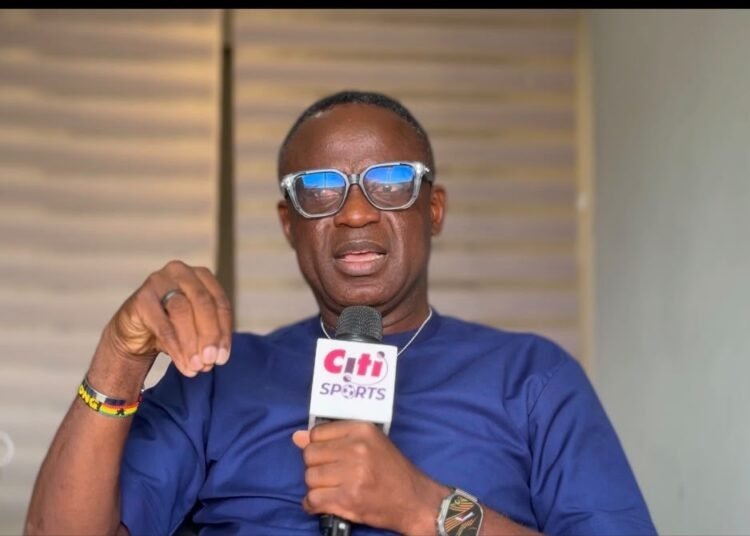
Speaking to Akoma FM, Vanderpuye questioned whether the association’s current priorities properly reflect the full responsibilities of Ghana’s football governing body.
“The current football association is Ghana Black Stars association and not Ghana football association,” he said on Akoma FM.
His criticism centres on the level of attention being given to areas beyond the Black Stars, including domestic competitions, grassroots football, youth development and the women’s game.
The Black Stars remain one of Ghana’s most important sporting symbols and attract considerable public interest. However, the country’s football structure also depends on investment in local clubs, young players, coaches, referees, facilities and the systems supporting the game at different levels.
Vanderpuye’s comments question whether the GFA’s effectiveness should be judged mainly by the senior national team’s performances or by its wider contribution to the growth and sustainability of football across Ghana.
At grassroots level, regular youth competitions, suitable training facilities and effective talent identification are seen as important elements in developing future players. Without those structures, promising footballers can find it difficult to gain the opportunities required to progress.
The Ghana Premier League and the lower divisions are also central to the domestic game. More competitive and better-supported leagues can offer local players consistent playing time, strengthen their development and make the competitions more attractive to sponsors and investors.
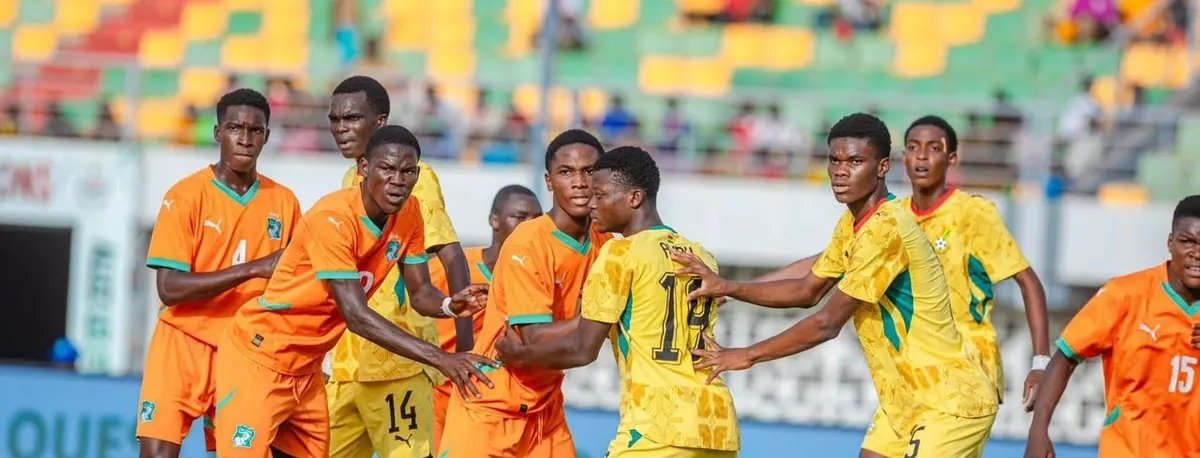
Women’s football and Ghana’s youth national teams similarly require sustained attention, sufficient resources and proper competitive preparation. The GFA’s development responsibilities extend to these areas as well as to the Black Stars.
Vanderpuye’s remarks have therefore raised broader questions about how the association distributes its focus and resources across the different parts of Ghanaian football. They also highlight the need for policies that support clubs, players, coaches, administrators and supporters throughout the country.
While the Black Stars will continue to hold a central place in Ghana’s sporting ambitions, the long-term strength of the national team is linked to the quality of the domestic system that produces and develops players.
The former sports minister’s comments have added to the debate over the direction of Ghanaian football and whether the country’s football authorities are doing enough to support the game at every level.