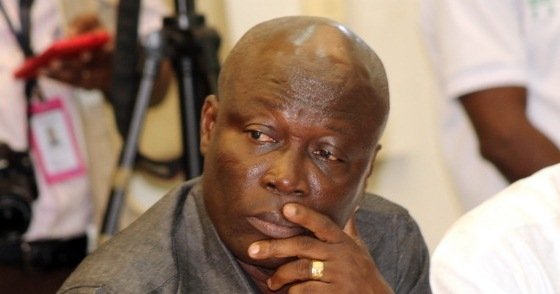
Former Sports Minister Nii Lantey Vanderpuye says Ghana’s current football system could prevent Asante Kotoko and Hearts of Oak from winning the Ghana Premier League over the next five years.
Speaking to Akoma FM, Vanderpuye said problems within the wider football structure were already affecting the two historic clubs and needed to be addressed if they were to regain their former status in the domestic game.
“The current football system is affecting clubs like Asante Kotoko and Hearts of Oak. If we fail to address these issues, there is no way these two clubs will win the league in the next five years,” he said.
Asante Kotoko and Hearts of Oak are among Ghana’s most successful and influential clubs. Their rivalry has played a major role in the popularity of the domestic game, while both have large supporter bases and records of success in the Ghana Premier League and continental competitions.
However, both clubs have struggled to maintain the dominance traditionally associated with them. Vanderpuye believes those difficulties cannot be blamed solely on players, coaches or individual performances, arguing instead that they reflect deeper weaknesses across the football system.
He said addressing the situation would require more than short-term efforts to assemble competitive squads. Effective administration, sound financial management, recruitment, player development, infrastructure and long-term planning would all be needed to create sustainable success.
For Asante Kotoko, a return to regular domestic success remains a key objective for a club with multiple Ghana Premier League titles and major continental achievements. Hearts of Oak also have a rich history of domestic dominance and continental success.
Vanderpuye’s assessment suggests that those achievements alone cannot secure future results, with both clubs needing a stronger structure around them to compete consistently for major honours.
The former Sports Minister’s warning also highlights the wider importance of the two clubs to Ghanaian football. Their large followings and commercial and historical significance mean a prolonged decline could affect the competitiveness and appeal of the domestic league as a whole.
Strong clubs provide opportunities for local players, create employment for football professionals, attract supporters and sponsors, and offer pathways to the national teams or clubs abroad. Their difficulties can therefore have consequences beyond the clubs themselves.
Vanderpuye has previously criticised the direction of football administration in Ghana. In an interview with Akoma FM, he said: “The current football association is Ghana Black Stars association and not Ghana football association.”
That comment reflected his view that football administration should focus on more than the senior national team and give greater attention to domestic clubs, grassroots football, youth development and the structures needed to make the sport sustainable.
His latest remarks have renewed debate over whether the existing system can support Ghana’s biggest clubs over the long term. For Asante Kotoko and Hearts of Oak, he believes the central issue is not simply winning individual matches or changing coaches, but whether the football system can provide the foundation required to challenge consistently for the Ghana Premier League title.