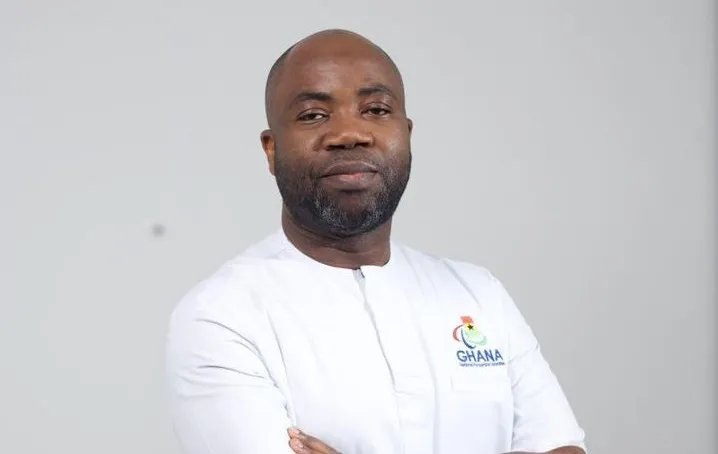
Ghana’s historic victory at the 2026 Amputee World Cup has revived the sense of national pride and sporting excitement associated with the country’s football milestones in 2006 and 2010, according to African Paralympic Committee President Samson Deen.
“In these few weeks, I can see that the atmosphere we used to know during our first World Cup in 2006 is coming back. What I saw in 2010 is coming back,” Deen said, as quoted by 3Sports.
Ghana’s Black Challenge beat Morocco 1-0 in Mexico to become only the second African country to win the Amputee World Cup.
The achievement has prompted widespread celebrations across Ghana, where the players have been praised for securing a major international trophy while several of the country’s national teams have struggled to make an impact on the biggest stage.
The champions were given a hero’s welcome when they returned to Ghana on Thursday. A large crowd gathered at Accra International Airport, where music, dancing and celebrations greeted the team.
Among those present were dancehall artist Stonebwoy, Ghana Football Association President Kurt Okraku and Sports Minister Kofi Adams.
The reception underlined the importance of the victory and the strong connection between the players and the public. Their success has provided another opportunity for Ghanaians to unite behind a national sporting team.
Attention has since turned to the rewards the government will provide for the players. Conversations have focused on possible financial packages, incentives and national recognition, with widespread calls for the squad to receive substantial appreciation for its achievement.
Deen, however, said recognition should not be limited to financial rewards. He argued that the lasting priority should be the development of sport in Ghana.
“The recognition is not all about what the President is going to give the players. The recognition is what the President is going to do to make sure that sports development continues,” he said.
His comments point to the need for Ghana to support sport consistently rather than focus on athletes only after major victories. Infrastructure, equipment, technical development, regular competition and athlete welfare will all be important to maintaining progress, particularly in disability sport.
The Black Challenge will next focus on the 2027 Amputee Africa Cup of Nations. Ghana have won the continental competition twice and will aim to use their World Cup success as a platform to retain their position among Africa’s leading amputee football nations.
That goal will require sustained preparation, including regular training, strong technical support, suitable equipment and adequate financial and logistical backing.
The government and sports authorities now have an opportunity to strengthen the structures supporting amputee football and other disability sports.
The Black Challenge have made history in Mexico. The challenge for Ghana is to ensure the victory becomes the starting point for long-term development, rather than a moment of celebration that quickly fades. For Deen, the true measure of recognition will be what the country does to create further success in the future.