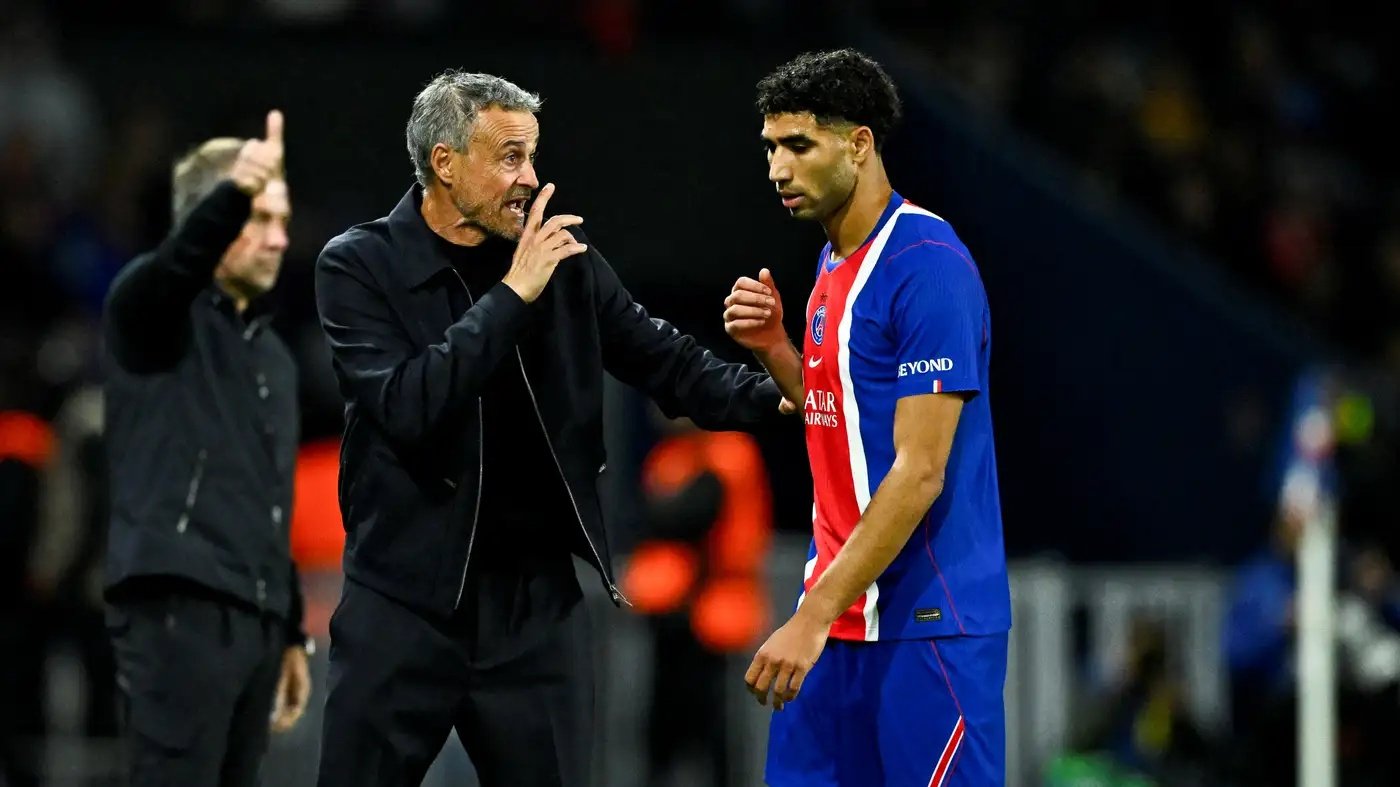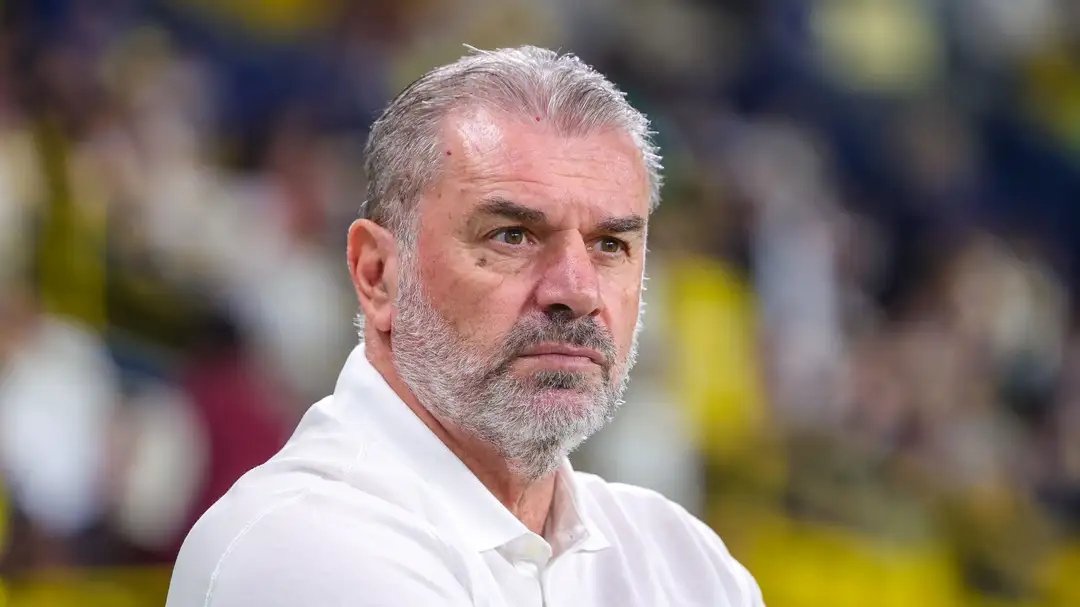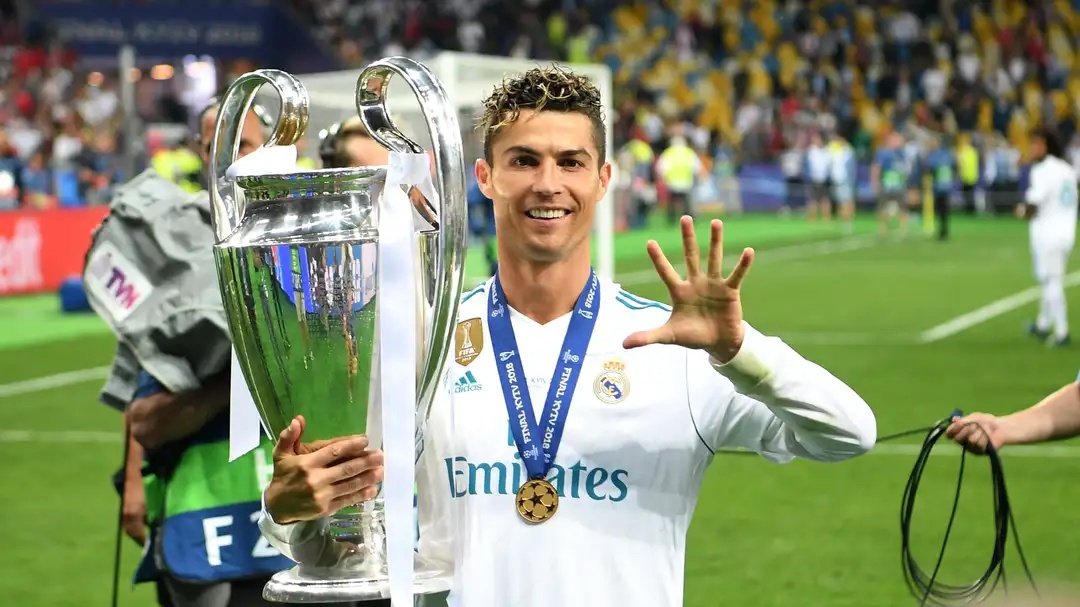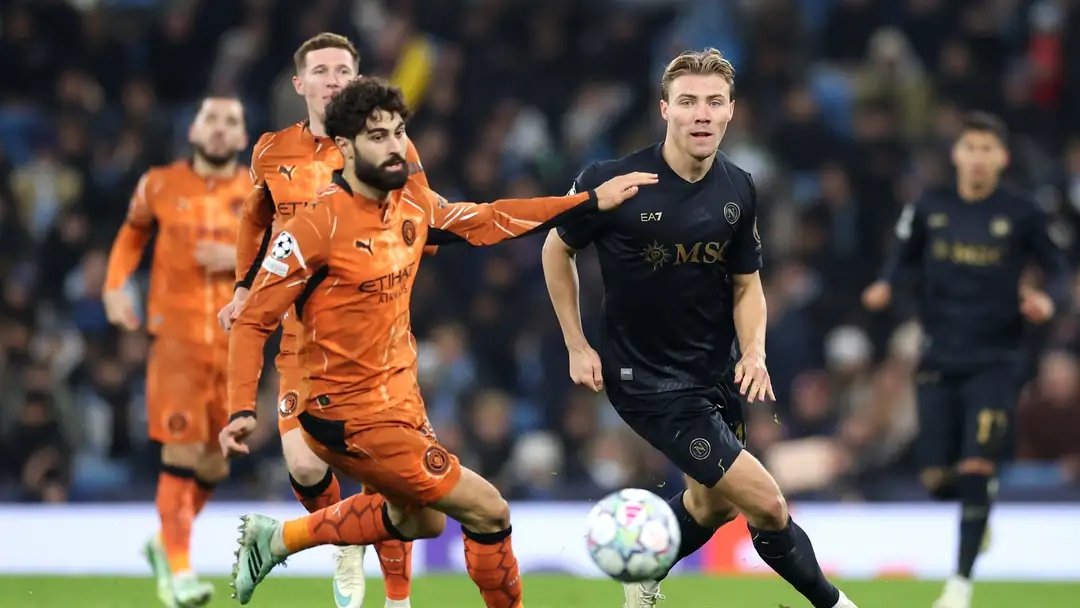
Al Ahly’s 2-0 defeat by Pyramids has renewed questions over Hussein Amouta’s suitability for the club and the way its managers have been appointed in recent years.
A team accustomed to competing for trophies struggled to impose itself against a direct title rival, while Pyramids showed greater clarity in their approach and executed their plans more effectively.
The result was not unexpected by some Al Ahly supporters, given the sustained criticism of Amouta. Expectations remain high after last season ended without a major trophy, with fans demanding an urgent return to the team’s traditionally dominant level.
The central issue, however, is not whether Amouta should be judged on one match. It is whether his ideas fit Al Ahly, and whether the club appointed a coach for a clearly defined project or simply added another name to a team that has lacked a settled football identity.
Amouta has an impressive record. He led Wydad to the 2017 CAF Champions League and the Moroccan league title, won the 2021 African Nations Championship with Morocco’s local players, and guided Jordan to the 2023 AFC Asian Cup final, the best result in the history of the national team.
Those achievements do not necessarily mean his methods are suited to Al Ahly. Amouta is not clearly a defensive coach, but neither does he rely on possession and continuous pressing as the foundations of his football. His teams are organised and tactically disciplined, adapting to opponents while looking to exploit transitions and space.
That flexibility can be valuable in knockout football. At Al Ahly, though, supporters expect the team to take the initiative and impose its style rather than primarily respond to the opposition.
Pyramids highlight Al Ahly’s structural problems
Against Pyramids, Al Ahly were slow in progressing the ball and struggled to build out from the back. Possession produced little genuine danger, while defensive transitions, the spaces between midfield and defence, recovery speed and cover behind advanced players were all problematic.
The pattern suggested recurring issues with distances and responsibilities, rather than isolated individual mistakes.
Amouta cannot carry all the responsibility. Al Ahly still need a striker capable of finishing chances and moving between centre-backs, a strong and quick defender who can deal with space, and a holding midfielder able to protect the centre, cover advancing full-backs and support build-up under pressure.
Those weaknesses have become more significant since the club failed to retain Wessam Abou Ali. Current players have produced inconsistent performances from one match and opponent to the next.
The absence of influential players has also affected team stability. Emam Ashour, who can drive forward with the ball and break defensive lines, missed the previous four matches for technical reasons before returning to the squad and making a subdued appearance as a substitute against Pyramids. Injuries elsewhere have further reduced Amouta’s options.
Since the departure of Pitso Mosimane, Al Ahly have appointed Ricardo Soares, Marcel Koller, Jose Riveiro and Yess Torop, while Emad El Nahhas has taken temporary charge on more than one occasion. The club’s management has yet to explain the identity it wants to build or the criteria behind its managerial choices.
Amouta’s first 14 competitive matches have produced 11 wins, two draws and one defeat, with 30 goals scored and seven conceded. Koller had the same record after his opening 13 matches, although Amouta’s side scored more.
Koller eventually lasted about 960 days and managed 161 matches, according to Transfermarkt. Against Pyramids, he recorded five wins, two draws and one defeat, scoring 13 goals and conceding nine. Amouta lost his first meeting with them 2-0.
The figures do not resolve the supporters’ main concern: Al Ahly’s shape, defensive weakness and lack of connection between the lines. The issue is whether the team can control major matches and impose its personality. The uncomfortable conclusion for many fans is that “Al Ahly are no longer frightening”.
Responsibility therefore rests with Mahmoud El Khatib, the board and those overseeing football. Amouta must show he can produce football suited to Al Ahly’s size and history, while the administration must prove it selected him for a coherent project and is prepared to meet its demands.
The question is no longer simply whether Amouta suits Al Ahly, but whether Al Ahly know what kind of manager and team they want.