After 10 months of dispute, the 2025 Africa Cup of Nations final will finally have a verdict on Tuesday, when the Court of Arbitration for Sport (CAS) rules on Senegal’s appeal against the removal of their title.
Senegal beat hosts Morocco 1-0 in January in Rabat, but the Confederation of African Football (CAF) later overturned the result and awarded Morocco a 3-0 victory. The case was heard privately on 8 October by a three-member CAS panel.
The original final at the 66,000-capacity Prince Moulay Abdellah Stadium descended into chaos during second-half stoppage time.
With the score goalless, Senegal believed Ismaila Sarr had scored a late winner, only for referee Jean Jacques Ndala to award Morocco a free-kick. In the 98th minute, after a video assistant referee review, Ndala gave Morocco a penalty.
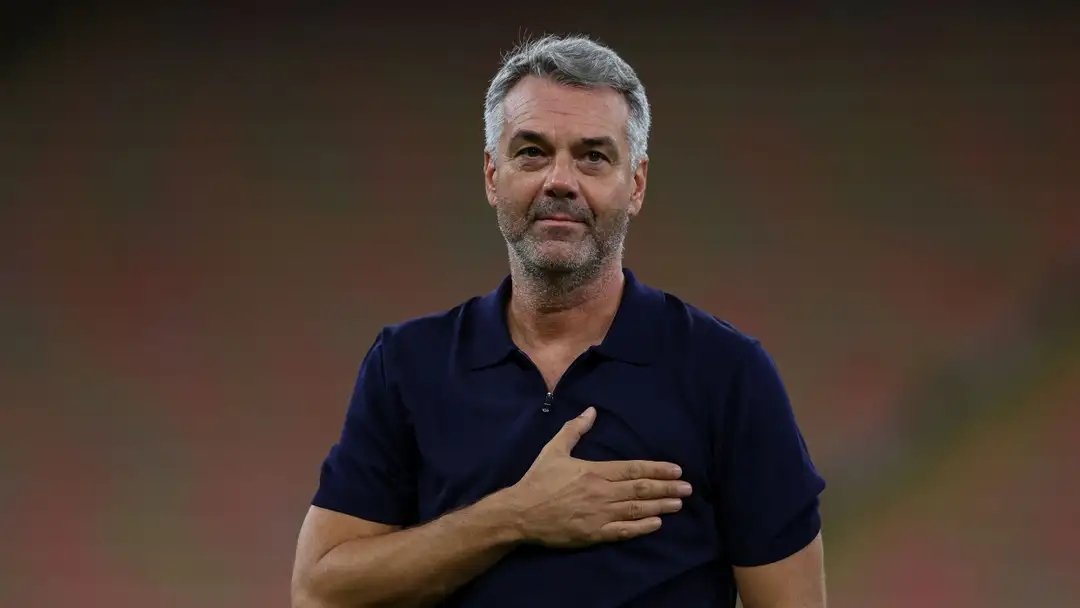
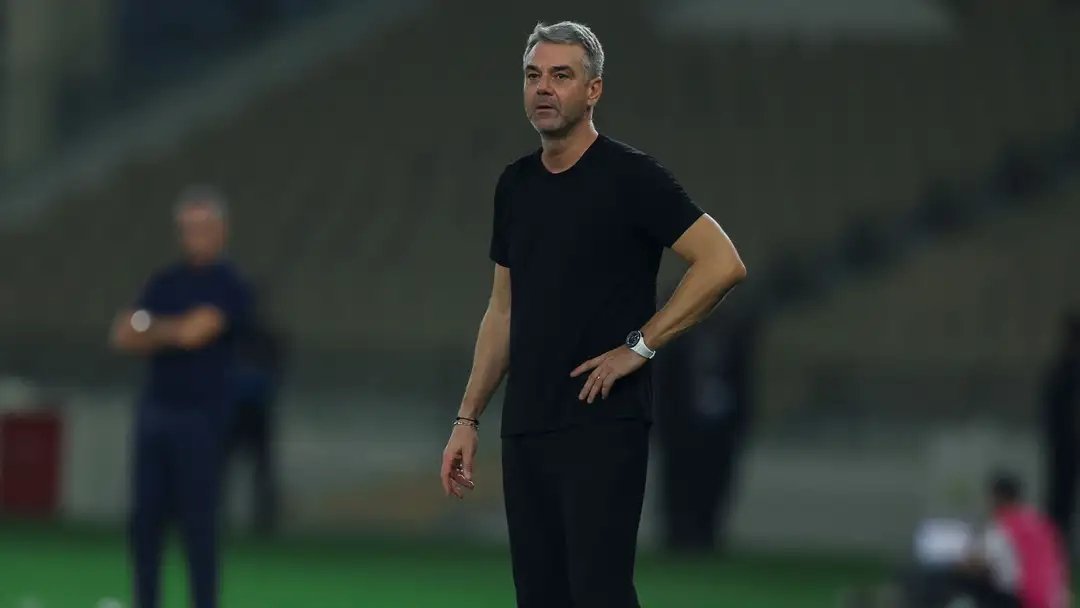
Senegal coach Pape Thiaw led players and staff towards the tunnel as tempers flared, while supporters clashed with security. Play eventually restarted and, in the 124th minute, Morocco missed the chance to end a 50-year wait for the continental title when Brahim Diaz’s Panenka penalty was saved by Edouard Mendy.
Pape Gueye then scored in extra time to give Senegal a second AFCON triumph. But that result was later challenged by the Royal Moroccan Football Federation (FMRF).
The federation argued that Senegal had breached Article 82 of the competition regulations. The article, under the section titled “Withdrawals”, says a team which “refuses to play or leaves the ground before the regular end of the match without the authorisation of the referee” must be “considered [the loser] and shall be eliminated from the current competition”.
A CAF appeals board accepted that argument in March, ruling that Senegal had forfeited the match and awarding Morocco a 3-0 win. Some critics, including a former senior CAF official, said only the referee could abandon a match after a walk-off.
The FMRF said it wanted the tournament regulations applied correctly. Senegal’s federation, the FSF, called the decision “unfair, unprecedented and unacceptable” before appealing to CAS.
CAS, founded in 1984 and based in Lausanne, is the highest legal authority for sporting disputes involving organisations that recognise its jurisdiction. It handles more than 900 cases each year across more than 50 sports, including contracts, transfers, doping, corruption, television rights and event organisation. Its decisions are final except in rare cases involving Switzerland’s highest court and limited technical grounds.
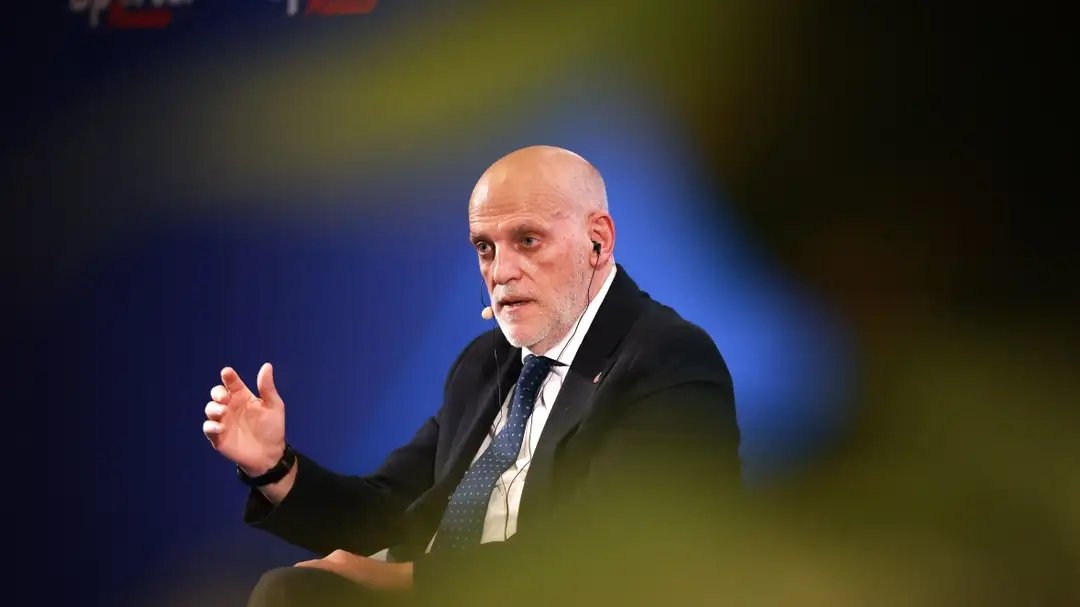
The panel hearing Senegal’s appeal was led by Frenchman Gerald Simon, who founded the Sports Law Laboratory at the University of Burgundy and has been a CAS member for 23 years. Italian international law professor Luigi Fumagalli and Ulrich Haas, a Hamburg-based attorney and professor at the University of Zurich, completed the panel. Had they failed to agree, CAS president Simon would have decided the case.
CAF president Patrice Motsepe said in March that the organisation would “adhere to” and “respect” the CAS ruling. A decision in Senegal’s favour could therefore require changes to the AFCON regulations.
The incident has already influenced football’s laws. In April, the International Football Association Board (IFAB) said referees could show a red card to players who leave the field in protest at a decision. The rule also covers team officials who encourage players to walk off, while a team causing a match to be abandoned will “in principle, forfeit the match”.
Pape Thiaw lost his job after Senegal’s last-32 World Cup exit this summer, while Morocco manager Walid Regragui was dismissed in March.
Relations between the two federations remain strained. Morocco objected to Senegal’s conduct and believes it damaged the image of the first AFCON hosted by the kingdom since 1988, despite the considerable investment in the tournament. Senegal, backed by its government, has also reflected wider concerns that Morocco has too much influence in African football.
Senegal were further angered by laser pens aimed at players and claims that ball boys moved Mendy’s towel. Reserve goalkeeper Yehvann Diouf was tackled by three ball boys when he tried to intervene.
With the next AFCON scheduled for June and July next year, a rematch between Morocco and Senegal is possible. But after a final decided in court, there is agreement that any future meeting should be settled on the pitch.