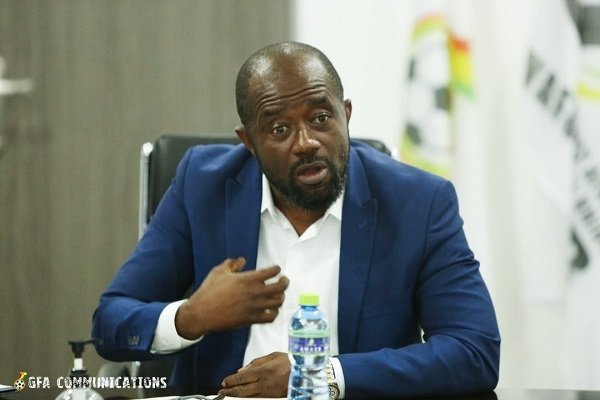
Ghana Football Association (GFA) president Kurt Okraku has challenged the government to show greater commitment to the long-term development of football in the country.
Speaking before Parliament’s Select Committee on Sports on Wednesday, Okraku said the GFA could not deliver sustained success on its own, arguing that progress depended on a wider national effort and continued investment in key areas of the sport.
Ghanaian football has endured a difficult period in recent years. The performances of the national teams have come under scrutiny, while the competitiveness of the Ghana Premier League has also raised concerns.
The GFA has faced criticism over its management and administration of the domestic game as the fortunes of Ghanaian football have declined. Okraku’s appearance before the committee came against that backdrop, with the GFA president calling for the government to accept a larger responsibility for developing the sport.
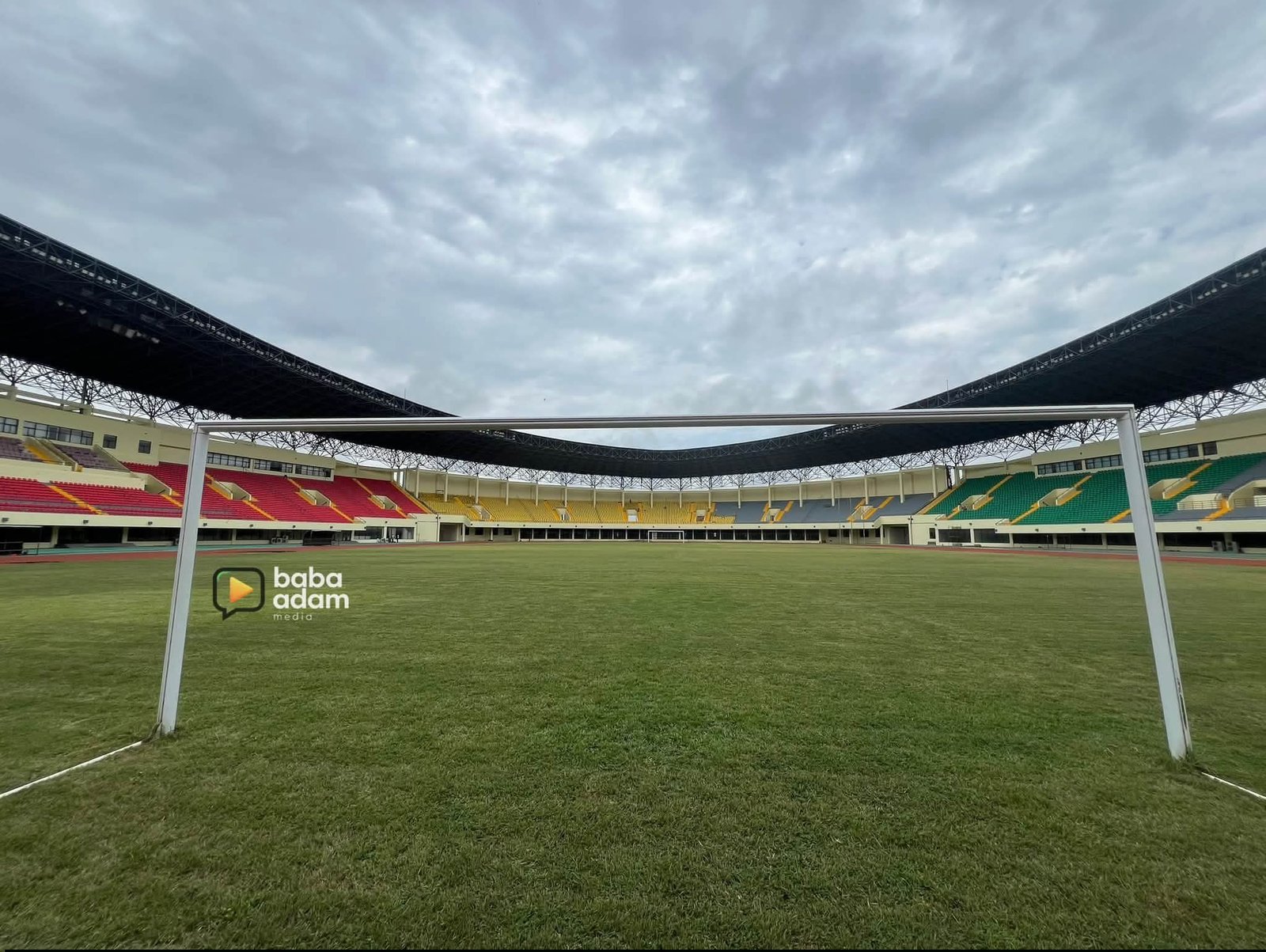
He said weaknesses in infrastructure and a lack of investment were continuing to restrict progress. In particular, he pointed to the need for improved facilities and greater support across different levels of the game.
Okraku acknowledged that the GFA had its own responsibilities. These included providing the necessary logistics, improving playing surfaces, securing stadium facilities and employing qualified technical personnel.
However, he stressed that those measures alone could not guarantee consistent success. He said long-term progress also required sustained investment in areas including grassroots football, coach education, scouting and playing facilities.
“If we are to be honest, there is a lot more that brings sustained success in football,” Okraku said.
He said Ghana needed to give young players and senior teams better opportunities to develop and compete, while coaches also needed greater exposure beyond the domestic game.
“This includes continuous investment in grassroots football, continuous investment in coach education, exposing coaches to the international market, good scouting, and good facilities (football pitches) for the kids and senior teams to play. All this we don’t have in our country,” he added.
Okraku’s comments placed the condition of Ghana’s football infrastructure and development structures at the centre of the discussion over the sport’s declining fortunes.
While the GFA remains responsible for the administration of football and for providing important operational support, he argued that the broader requirements for sustained success could not be met without consistent government involvement and investment.