Funerals in Ghana are becoming increasingly elaborate and expensive, placing growing financial and emotional pressure on grieving families and exposing weaknesses in the systems overseeing the industry.
What was traditionally a family and community occasion is now often shaped by public expectations, comparison and social media. Photographs and videos can be shared widely, prompting families to worry about how their arrangements will be judged by relatives, friends and the wider community.
That pressure can influence decisions on caskets, clothing, music, catering, photography and the duration of funeral activities. Some families spend beyond their means, take out loans or sell property, while disputes about contributions and costs can continue well after the funeral has ended.
Lashibi Funeral Homes and Crematorium, which has operated in the sector for 25 years, says the changes have affected both families and the professionals serving them. It also says the industry has expanded more quickly than the systems designed to regulate it.
Funeral providers have a responsibility to recognise the vulnerability of people making arrangements after a death. Families may not be well placed to assess every recommendation or additional service, making clear explanations and affordable options essential.
Capacity and standards under pressure
Limited mortuary capacity remains a problem in some parts of Ghana, particularly away from major cities. Bodies can be held for extended periods while relatives raise money, organise family members or agree on a funeral date.
Those delays add to the cost of arrangements and may make it harder for families to begin recovering from their loss.
Standards also differ between funeral homes and mortuaries. Many families select providers through reputation or personal recommendations, but often have little access to reliable information about professional qualifications, service quality or prices.
The lack of consistent information creates opportunities for poor hygiene, irregular embalming practices, unclear fees and unethical behaviour. For families already facing grief and financial strain, the consequences can be serious.
A stronger national framework is needed to regulate funeral homes, mortuaries and related services. It should set minimum requirements for licensing, hygiene, embalming, staff training, ethical conduct and transparent pricing.
Families should be able to see clearly what they are paying for and have access to an officially recognised complaints process when agreed standards are not met.
Government institutions, local assemblies, industry associations and public health authorities all have a role in developing that system. Regulation, however, should not undermine the cultural and religious traditions associated with funerals. Its purpose should be to protect families and raise professional standards.
A debate over funeral costs
Traditional leaders, religious organisations, community groups and funeral providers can help challenge the belief that dignity depends on expense. Respecting the dead should not leave surviving relatives in debt.
That does not require the removal of the colour, music, communal support or established customs that give Ghanaian funerals their meaning. Instead, families should be supported in distinguishing culturally important practices from choices driven mainly by comparison and social pressure.
The industry’s responsibility extends beyond caskets, mortuary care and organising ceremonies. It must also provide honesty, sensitivity and sound advice.
Lashibi Funeral Homes and Crematorium says it has placed dignity and responsible service at the centre of its work for 25 years. It argues that those principles should form part of a broader national standard.
Ghana can retain the cultural significance of its funerals while protecting families from unnecessary expense and inconsistent services, but doing so will require stronger regulation, greater transparency and a shared focus on the needs of grieving families.
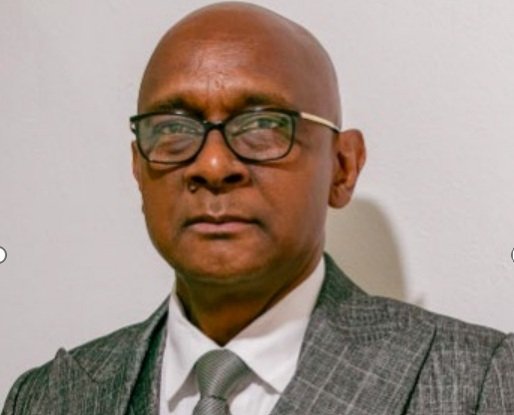
Jean Marie leads the team at Lashibi Funeral Homes and Crematorium. Originally from Mauritius, he is an established Executive Manager with more than 35 years’ experience working for international organisations in various countries, including 12 years in Ghana.