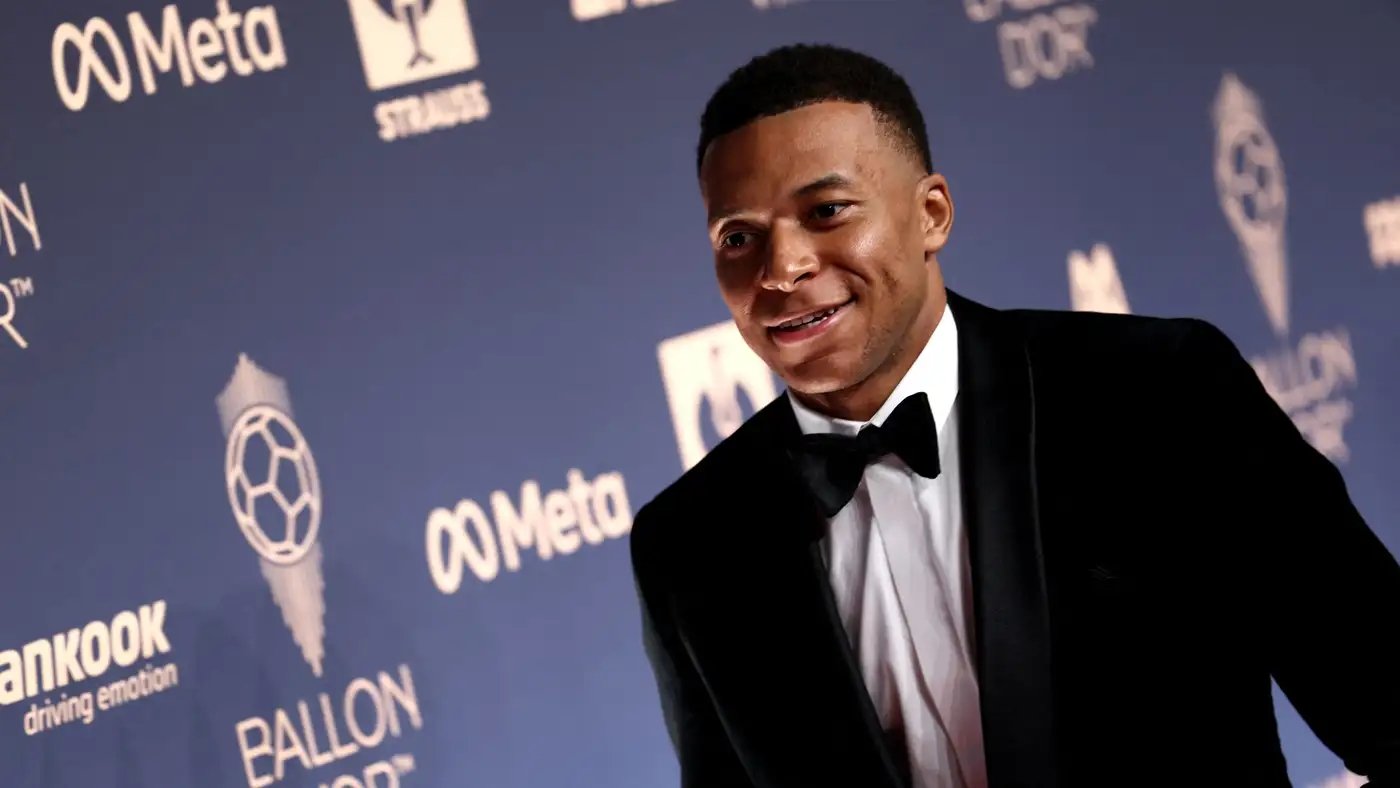
Kylian Mbappe has been removed from a Chinese sports website’s published ranking for the 2026 Ballon d’Or, with his name replaced by the phrase “this person does not exist”.
The decision is the latest escalation in a growing dispute involving the Real Madrid forward and China, which has developed from an online backlash into a wider sporting and diplomatic controversy, according to Spanish newspaper Sport.
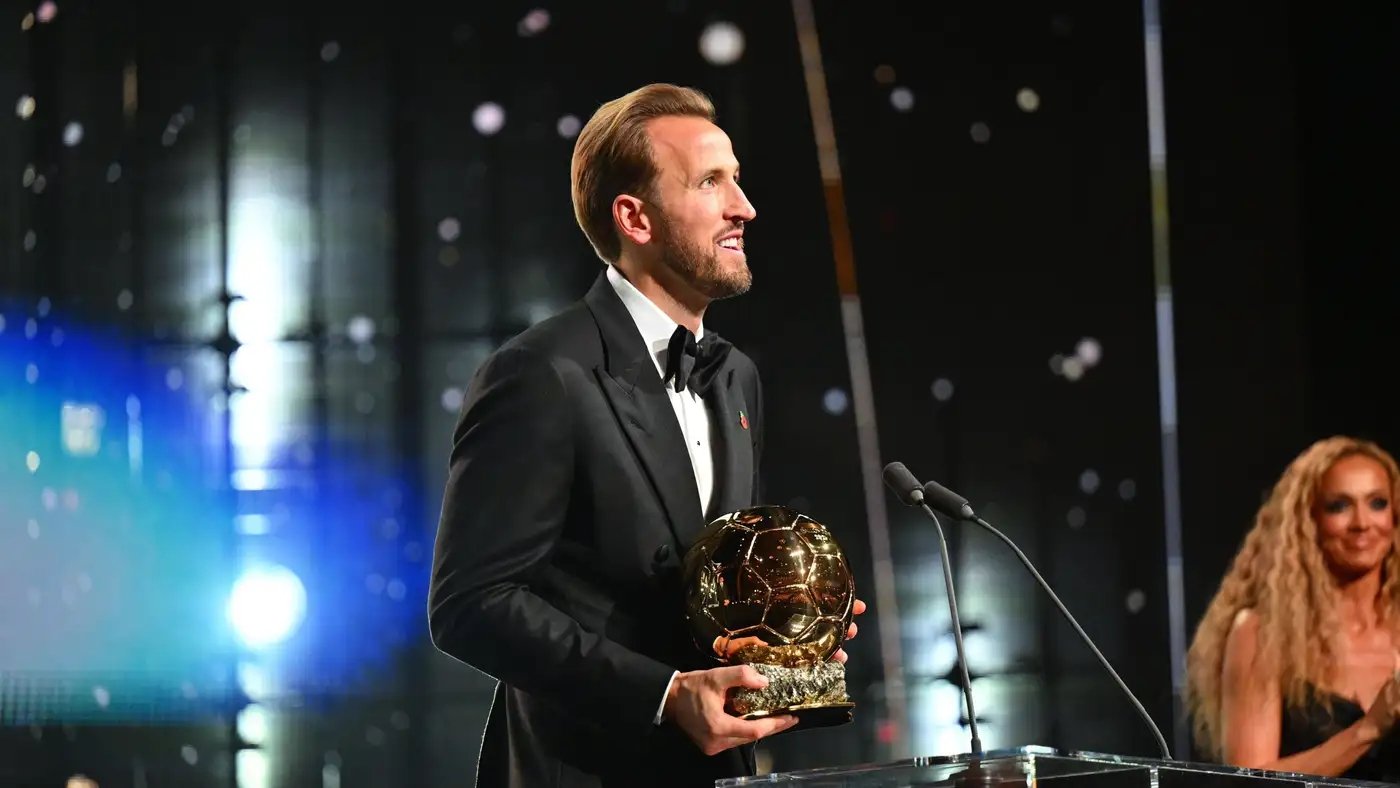
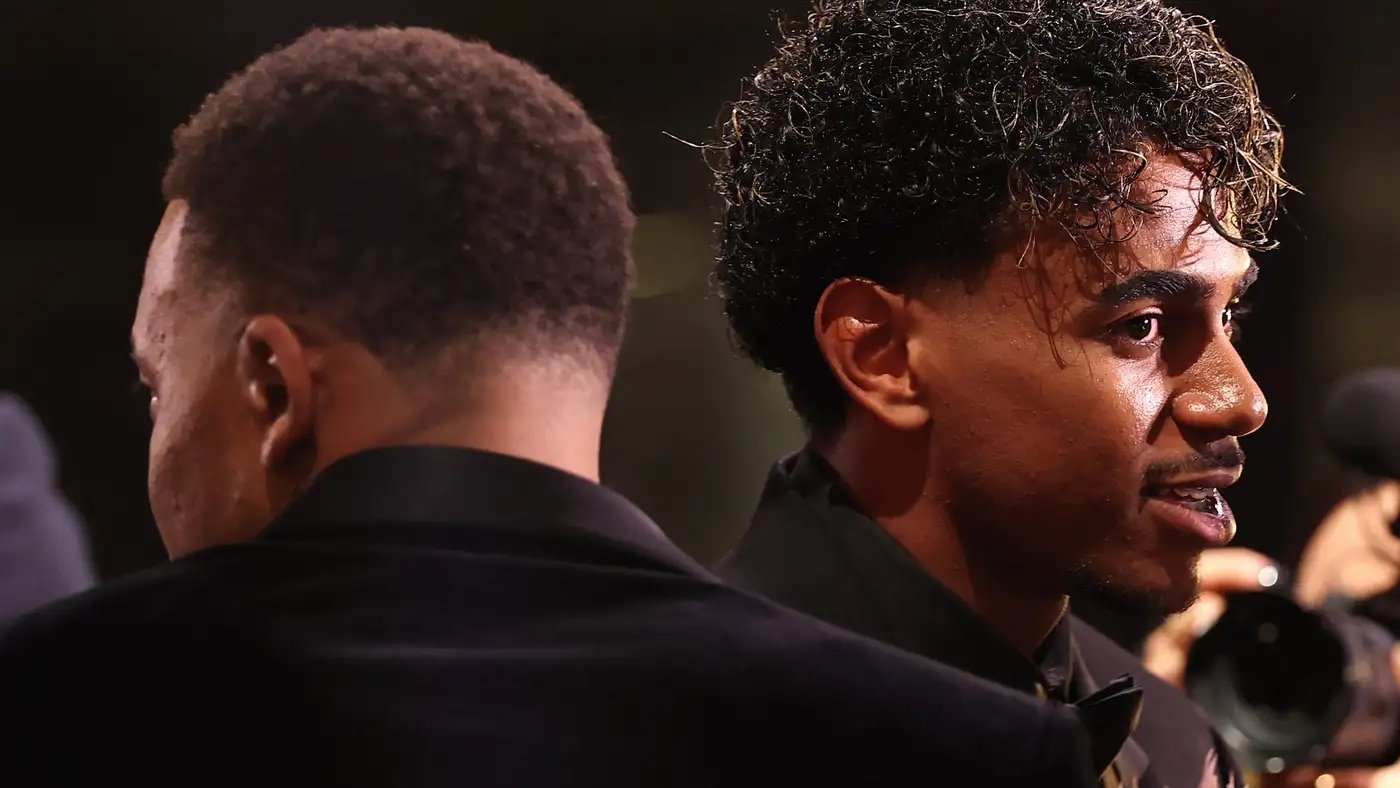
Mbappe finished second in the official Ballon d’Or standings, behind winner Harry Kane and ahead of third-placed Lamine Yamal. However, Dongqiudi, one of China’s largest sports websites, published a different version of the results on Tuesday.
Its list showed Kane in first place and Yamal in third, while the second-place position was attributed to the Chinese phrase “cha wu ci ren”. The expression translates literally as “there is no such person” or “this person does not exist”.
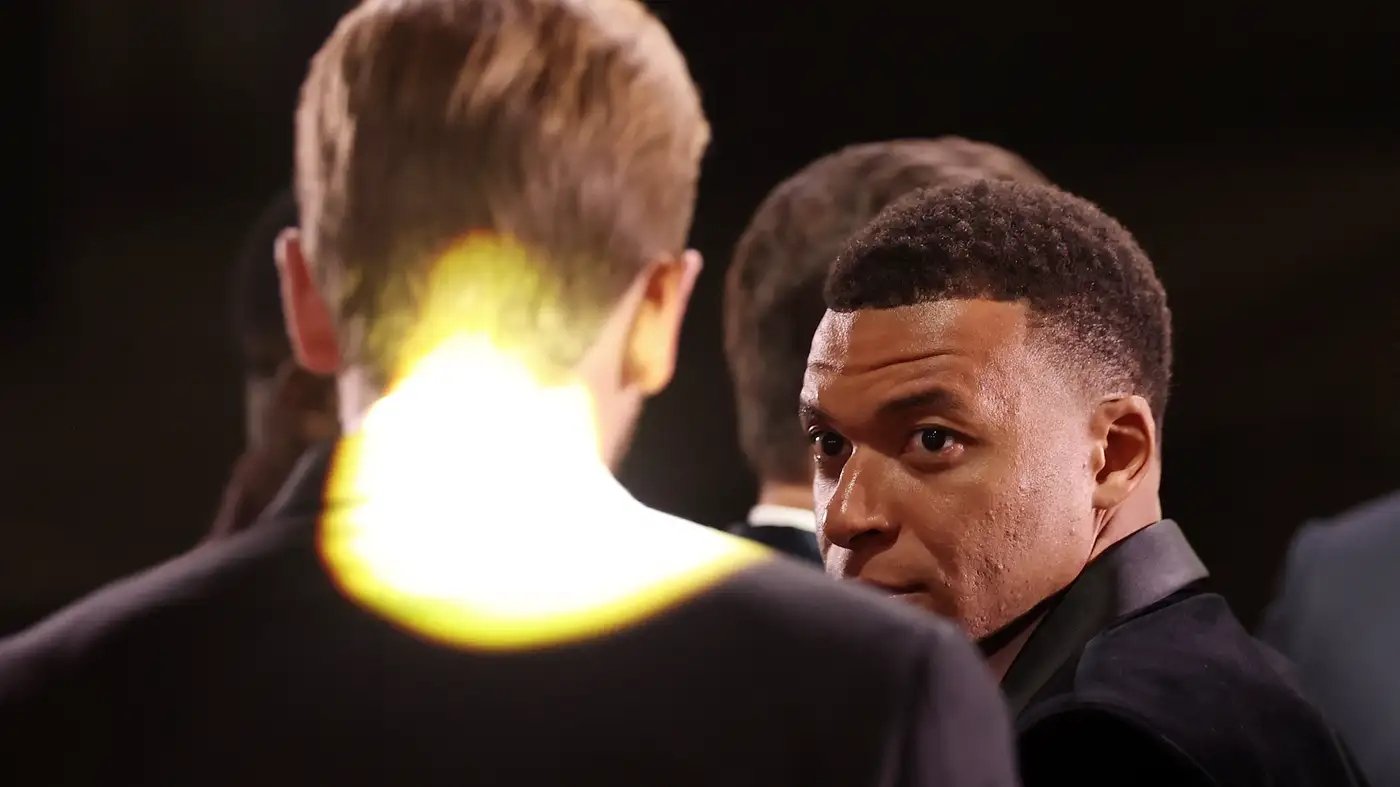
The website also accompanied the entry with a black-and-white image of Mbappe. It said it would not translate his comments, which it regarded as offensive to Chinese supporters and the wider public.
The move effectively turned the results of football’s most prestigious individual award into a public statement over the dispute.
Dispute follows suspension of La Liga broadcasts
The development came days after CCTV, China’s state broadcaster, stopped showing La Liga matches altogether, according to local media reports.
That decision was also linked to the controversy surrounding Mbappe and is expected to cause major commercial damage to La Liga, while raising questions over the future of the Real Madrid player’s marketing presence in the Chinese market.
The dispute began with an interview Mbappe gave on The Bridge, a digital programme hosted by his Real Madrid team-mate Aurelien Tchouameni.
Asked about his favourite memes, Mbappe recalled an edited image in which his face had been placed over that of a former Chinese leader whom he described as a “dictator”. He said he found the image amusing and often shared it with friends.
Although Mbappe did not explicitly name Mao Zedong, Chinese supporters quickly connected his remarks to the meme showing his face superimposed on that of the late leader.
Many users viewed the comments as dismissive and insulting towards a figure regarded as central and deeply revered in the country’s history. The reaction, described in the original controversy as angering China’s 1.5 billion people, led to sustained criticism of Mbappe.
That backlash has now spread from social media and television coverage to the presentation of one of football’s major individual awards, with Mbappe’s name omitted from Dongqiudi’s version of the 2026 Ballon d’Or standings.