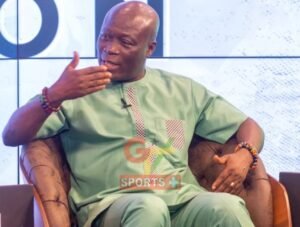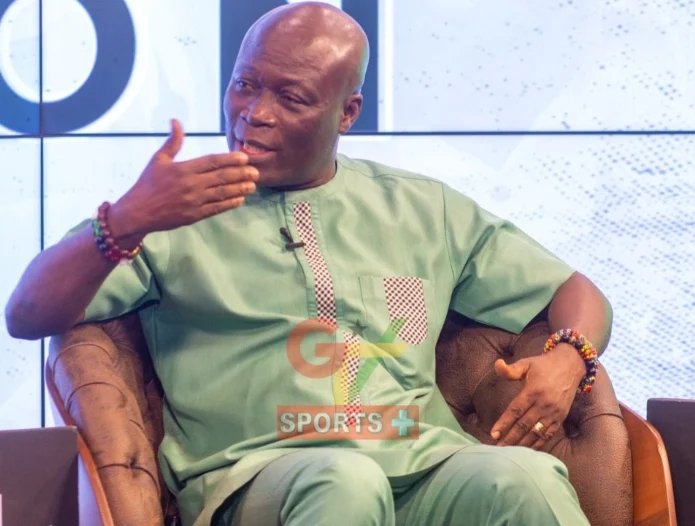
Acting Director-General of the National Sports Authority (NSA), Prof. Emmanuel Osei Sarpong, says Ghana’s sporting problems will not be solved by appointing high-profile coaches without long-term planning, improved infrastructure and sustained investment in athlete development.
His comments follow growing concern about Ghana’s results across sport, particularly football. The men’s and women’s national teams have faced disappointing performances, questions over their tactical direction and wider concerns about administration and the development of players.
The Black Stars have been under particular scrutiny after losing 2-0 to Ivory Coast and 4-2 to The Gambia in their opening matches of the 2027 Africa Cup of Nations qualifiers.
Those results have led to renewed calls for changes within the Ghana Football Association (GFA), while also prompting further debate about the country’s football development structure.
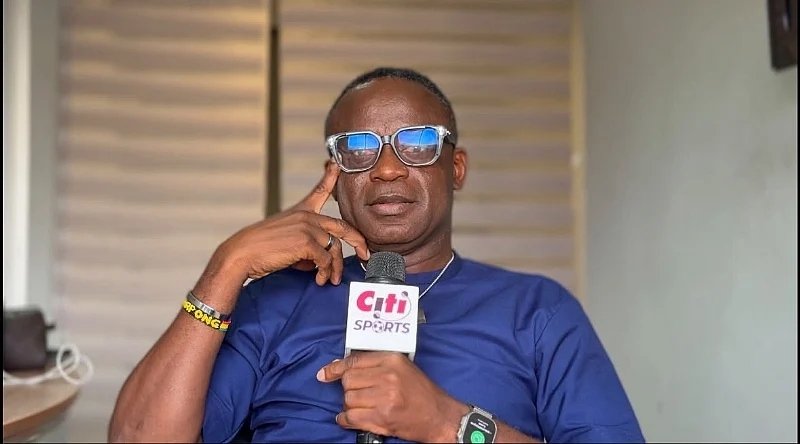
Speaking to Citi Sports, Prof. Osei Sarpong said the challenges facing Ghanaian sport were more extensive than the appointment of coaches. He identified weak long-term planning, poor co-ordination between key institutions and inadequate investment in athletes as central problems.
“Our problem with Ghana sports, not football alone, has been long-term planning, long-term development of athletes,” he said.
He urged the NSA, the Ghana Olympic Committee (GOC) and the country’s sports federations to work more closely on a structured system for finding and nurturing young talent.
Prof. Osei Sarpong questioned whether Ghana had clear and sustained programmes for promising athletes. He said identifying talent would have little impact without regular funding, organised training and access to suitable facilities.
His proposed model would begin by identifying talented athletes at the age of 12 and supporting them through a six-year programme, with the aim of preparing them for elite competition by the age of 18.
The NSA boss also criticised Ghana’s dependence on foreign expertise, especially in football. He argued that money used to recruit overseas professionals could instead help train local coaches and specialists who could pass their knowledge on to others.
“As we speak now, there is no Ghanaian who is qualified as a fitness trainer, strength and conditioning coach, specifically for football,” he said.
“Why can’t you use that money to develop some coaches in Ghana so that they will become multipliers of their knowledge?”
He said lasting progress would require more than prestigious coaching appointments, with investment also needed in facilities, training equipment and development programmes capable of producing a stronger stream of athletes.
Prof. Osei Sarpong described the creation of the Grassroots Sports Secretariat as an important move towards establishing a more sustainable system for identifying and developing talent.
He also referred to France’s National Institute of Sport, Expertise and Performance (INSEP), which he visited in September to examine its approach to athlete development.
According to Prof. Osei Sarpong, INSEP trains national athletes and attracts competitors from other countries. He said its model provided lessons Ghana could adapt as it seeks to strengthen its own sporting system.