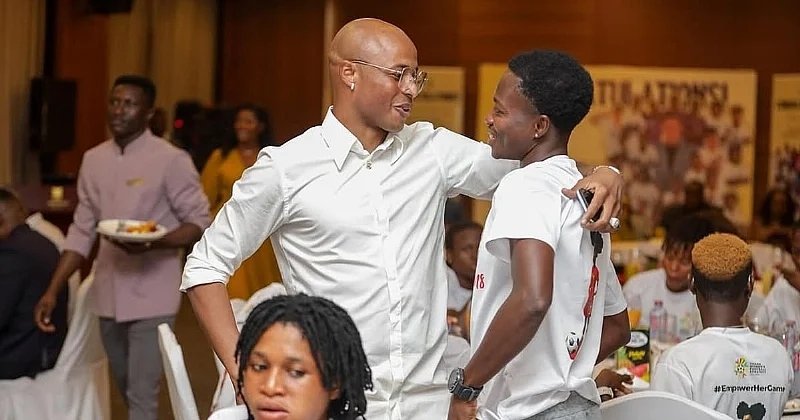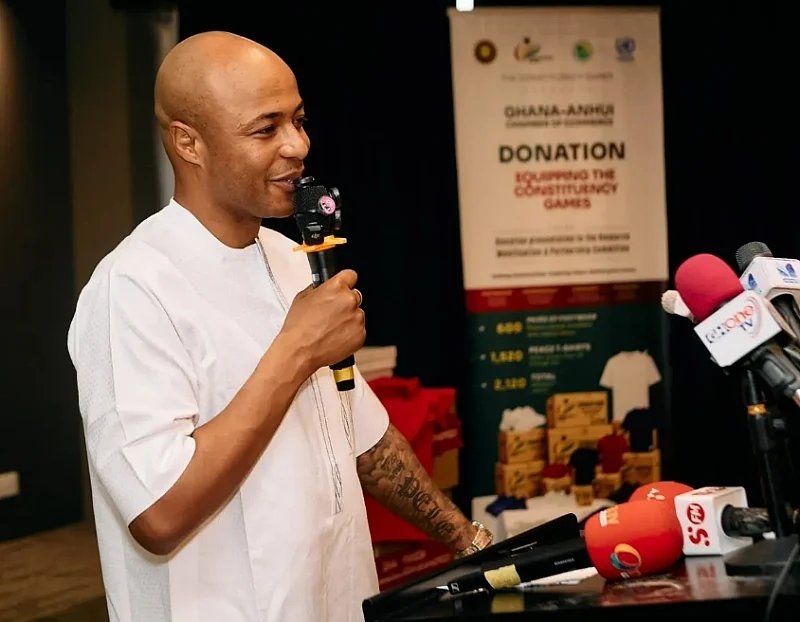
Former Ghana captain Andre Ayew says the country must urgently invest in infrastructure, youth development and long-term planning if it is to revive its football fortunes.
Ayew has called for Ghana to move beyond repeated promises to improve the game and start putting practical solutions in place.
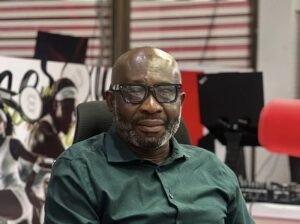
Speaking on the Obi One Podcast, the former Sunderland and Swansea City forward pointed to Morocco, Senegal, Ivory Coast, Algeria and South Africa as examples of African countries that have made progress through structured planning and investment.
He said Ghana should study those models and establish a clear strategy to restore its position among the leading football nations on the continent.
A key part of that plan, according to Ayew, should be the development of young players and the creation of stronger domestic competitions. He highlighted Senegal, where young footballers can gain first-team experience before moving to clubs in Europe.
Ayew identified Senegalese academies Jambars and Generation Foot, as well as Ivory Coast’s ASEC Mimosas, as examples of organisations that have developed effective pathways into the professional game.
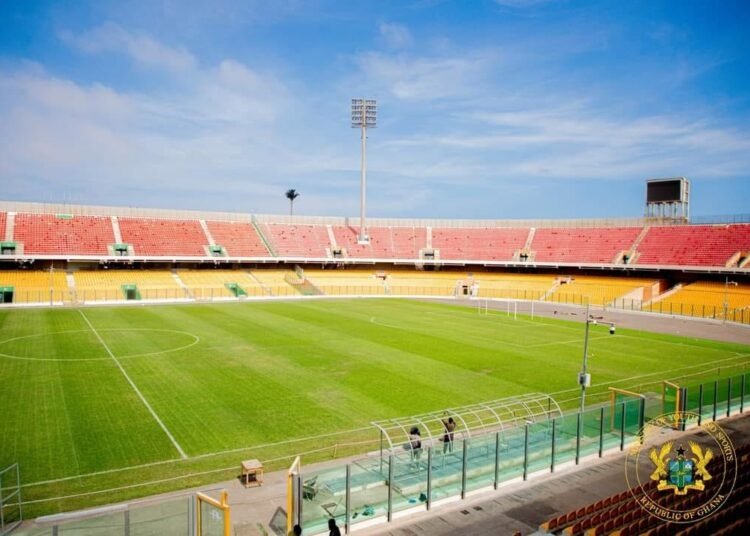
The former Black Stars captain also called for better football facilities, more effective planning and greater accountability over projects that have been promised.
He said Ghana and Nigeria were among the African football nations yet to reach the level expected of them, and argued that progress would depend on immediate action rather than further postponement.
“We have played the game. Some of us are still playing. But we always talk about tomorrow, tomorrow, tomorrow. The matter is now. What are we doing now?” Ayew said.
His comments reflect a call for Ghana to build a sustainable football system that can support young players, improve domestic leagues and provide the infrastructure required for development.
Ayew also praised the advancement of women’s football in Cameroon, saying consistent planning and commitment could produce positive outcomes.
He believes Ghana must respond now to its current difficulties to avoid further decline. Investment at grassroots level and a long-term approach to development, he said, must be central to that effort.