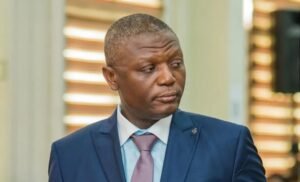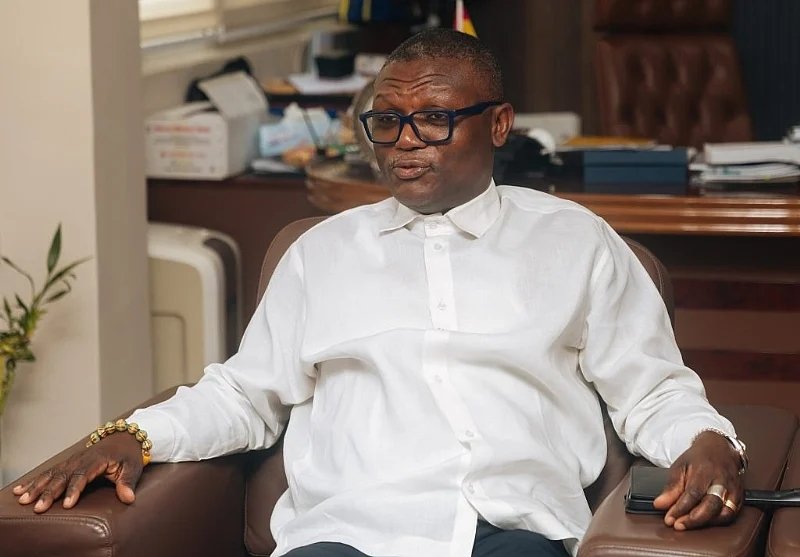
Former Ghana League Clubs Association chairman Kudjoe Fianoo says Ghana must not allow fears of FIFA punishment to prevent action over the country’s deteriorating football fortunes.
Fianoo believes restrictions on government involvement in football administration should not stop the authorities from demanding accountability, particularly when public money is used to fund national teams and develop facilities.
“If it is because of FIFA, our football is collapsing, and because we fear FIFA, we cannot rescue our sinking ship, then we should stop this conversation,” he told Graphic Sports.
The veteran administrator said Ghana, as a sovereign state, had the right to scrutinise football officials and question how the game was being run. His comments have renewed debate about the independence of the Ghana Football Association (GFA) and the government’s role in financing football.
FIFA regulations prohibit undue third-party interference in the affairs of member associations, and breaches can lead to sanctions. However, Fianoo said those rules should not be used to protect administrators from public scrutiny.
He also called for the GFA to reform its financial model and become commercially self-sufficient if it wanted to operate without government involvement.
“Then we have to appeal to the government not to use our taxpayers’ money in football,” he said. “Let’s make the GFA a completely private, self-sustaining association.”
Fianoo added that supporters and other stakeholders could hold peaceful demonstrations and sustain public pressure in an effort to force reforms.
Pressure on Kurt Okraku and GFA
His intervention comes as GFA president Kurt Simeon-Okraku faces increasing scrutiny over results across Ghana’s national teams.
Since Okraku took office in October 2019, the Black Stars have gone out in the group stage at the 2021 and 2023 Africa Cup of Nations (AFCON). They also failed to progress from their group at the 2022 FIFA World Cup and did not qualify for the 2025 AFCON.
The Black Stars’ latest qualifying campaign has increased the pressure. Defeats by Cote d’Ivoire and The Gambia left Ghana without a point after two matches in the race for the 2027 tournament.
The country’s youth sides have also struggled. The Black Starlets were eliminated in the group stage of the 2026 Under-17 AFCON and missed qualification for the FIFA Under-17 World Cup.
The Black Satellites finished third in their group at the WAFU B Under-20 competition, collecting two points from three matches.
At the 2026 FIFA Under-20 Women’s World Cup, the Black Princesses finished bottom of their group. Their 3-1 win against South Korea could not prevent elimination after losses to Ecuador and France.
Women’s teams provide encouragement
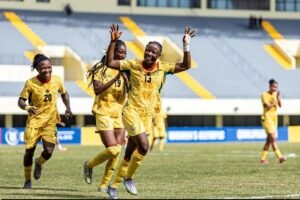
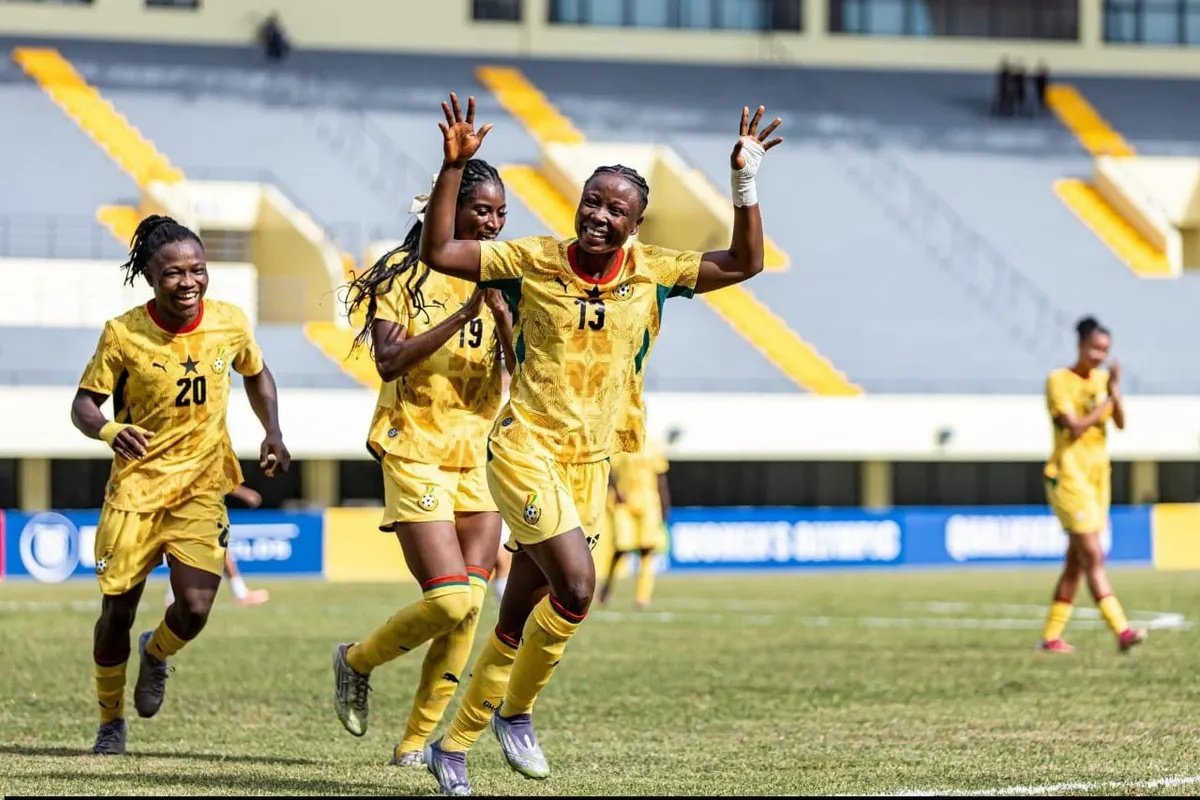
Ghana’s women’s teams have produced more positive results. The Black Queens won the Pink Ladies Cup, took bronze at the 2025 Women’s Africa Cup of Nations and reached the quarter-finals of the 2026 edition.
They then beat Cote d’Ivoire to qualify for the inter-confederation play-offs for the 2027 FIFA Women’s World Cup.
The Black Maidens also qualified for the 2026 FIFA Under-17 Women’s World Cup in Morocco and recorded several convincing victories in the WAFU B Girls’ Cup.
Those contrasting results have intensified questions about the direction of Ghanaian football and the effectiveness of its development structures. Fianoo’s proposal puts accountability at the centre of the debate, challenging the GFA to deliver sustainable progress while remaining independent of government interference.