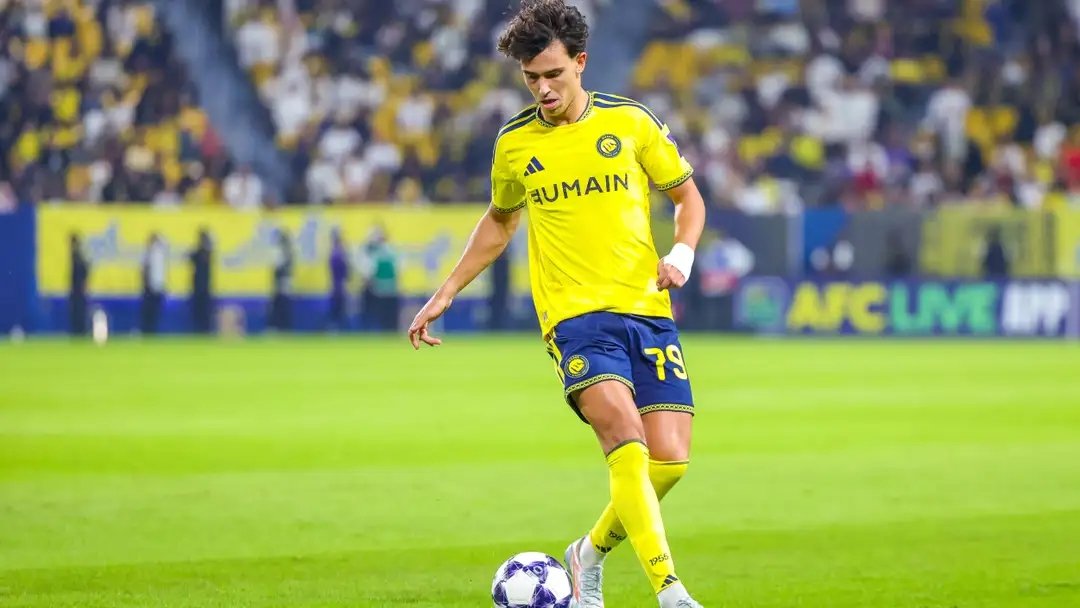
Real Madrid have emerged as the most economical team physically among clubs in Europe’s five major leagues, topping a ranking for the lowest average distance covered during matches.
A report produced by Skill Corner and published by the CIES Football Observatory found that Real Madrid players cover an average of 9.59 kilometres each over 90 minutes. The figure places the Spanish club at the top of a list that measures total distance rather than overall intensity.
Getafe are second on 9.67km per player, followed by Sevilla on 9.78km and Manchester United on 9.82km. The wider list also includes Liverpool, Chelsea, Real Betis and Everton.
The figures may appear surprising at a time when elite football is increasingly focused on raising physical output. However, the data does not suggest Real Madrid lack aggression or power. Instead, it points towards a team capable of managing its energy efficiently while still controlling matches and creating decisive moments.
Quality over distance
Real Madrid do not necessarily need to cover as much ground as their opponents to impose themselves on games. Their technical quality, ability to dictate the tempo and threat during attacking transitions allow them to influence matches without relying on the highest possible running totals.
In that sense, the team often covers less ground because it makes the opposition do more of the running.
The measure also does not capture the speed of a player’s movement or the explosive efforts made during a match. A team can record a lower overall distance while producing more sprints, accelerations or high-intensity actions than another side.
That distinction is particularly relevant to Real Madrid, whose attacking players can change a game through quick, sharp movements. Their effectiveness can come from the timing and speed of those actions rather than the total number of kilometres accumulated.
Strong Spanish representation
The ranking contains five Spanish clubs among the 10 teams covering the least distance. Alongside Real Madrid, the group includes Getafe, Sevilla, Real Betis and Rayo Vallecano.
That presence may indicate the continuing importance of spatial control, tactical organisation and possession management in the Spanish league. Those principles can reduce the need for constant exchanges of attacks and sustained physical exertion between the teams.
Real Madrid’s position therefore reflects a particular style of efficiency: the ability to control the game, use technical quality to create openings and produce decisive movements without requiring every player to cover vast distances. Their low figure is not a measure of inactivity, but of how effectively their work is distributed and applied during matches.