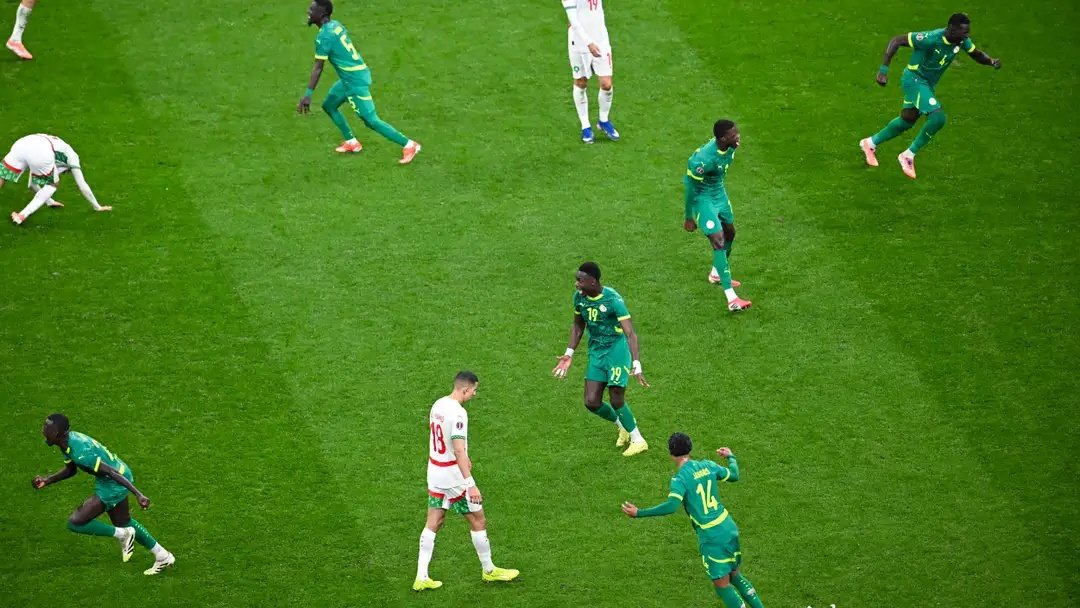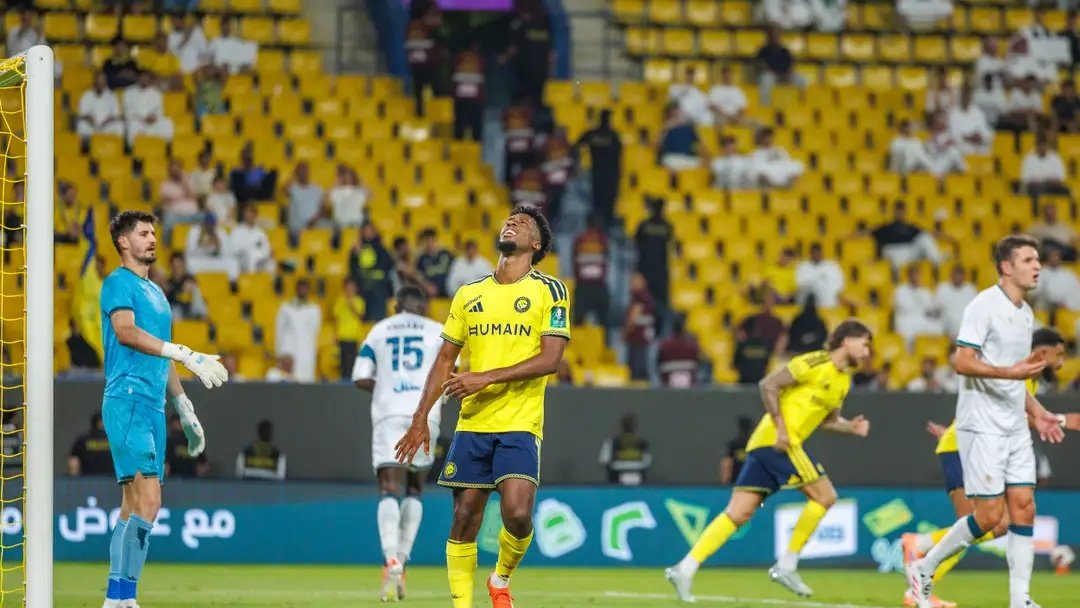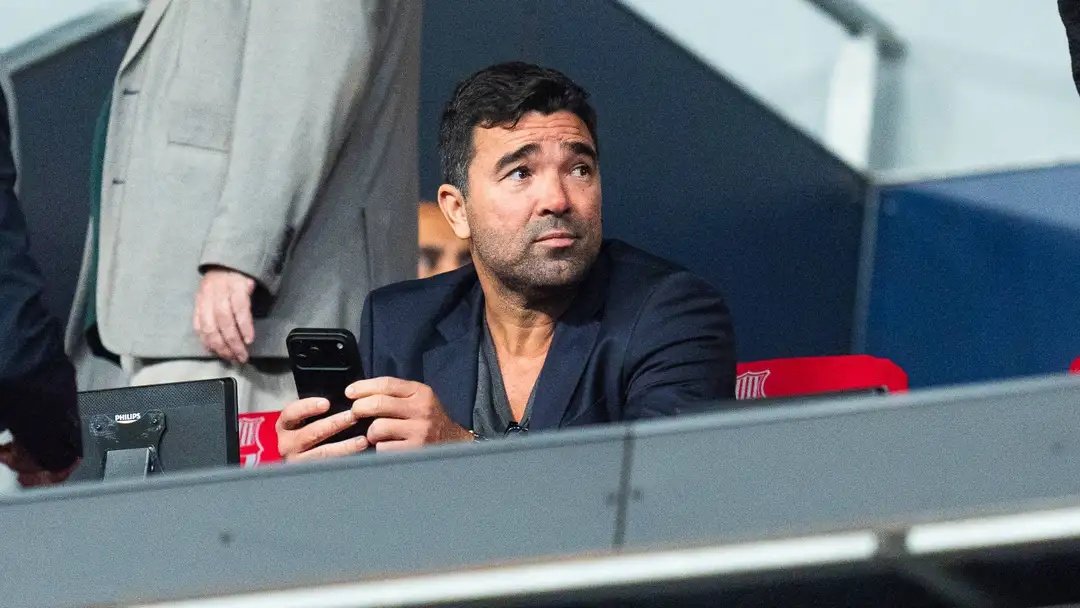
Morocco’s decision to resume the 2025 Africa Cup of Nations final after play was stopped was crucial to Senegal retaining the title, according to Spanish lawyer Juan de Dios Crespo, who represented Senegal at the Court of Arbitration for Sport (CAS).
Crespo said Morocco would have been awarded the trophy 3-0 had the team refused to continue the match. Instead, both sides returned to the pitch and prepared for the penalty, allowing the referee to restart the game.
“From the beginning, I thought the case could succeed,” Crespo told Spanish news agency EFE. “It was not completely clear, but I understood that the Laws of the Game issued by the International Football Association Board were higher than the competition regulations.”
The CAS accepted Senegal’s appeal and overturned the decision of the Confederation of African Football (CAF) appeals committee. That committee had ruled Senegal had forfeited the match after withdrawing and awarded Morocco a 3-0 administrative victory.
The court instead reinstated the original decision of CAF’s disciplinary committee and recognised the result reached on the pitch: a 1-0 win for Senegal.
Crespo identified Morocco’s return to the field as the central issue in the case.
“If Morocco had announced that it did not want to take the penalty and did not want to continue the match, the referee would have blown the final whistle and Morocco would have won the tournament 3-0. Nothing more than that,” he said.
“The key to everything is that Morocco returned to the pitch. If they had not come back, it would have been more difficult for Senegal, if not impossible.”
The lawyer said the judgment was based on Article 5 of the IFAB Laws of the Game, which gives the referee authority to control and end a match. He added that the provision was in force at the time of the incident and that decisions concerning the conduct and outcome of play fell within the referee’s powers.
“The referee determines when the match starts and ends. Full stop,” Crespo said.
He also referred to the principle of “on-field decisions”, under which refereeing decisions made during a match are protected from later review except in specific and exceptional circumstances.
According to Crespo’s interpretation, CAS found that the referee had acted within his authority by allowing the final to restart in the 109th minute, after the two teams returned and indicated they were ready to continue. The court did not consider the decision arbitrary or influenced by outside factors.
Crespo said protection for refereeing decisions relating to the running of a match was almost absolute, although he acknowledged exceptions, such as mistakes over the identity of a player who should receive a card. He stressed that disciplinary bodies could not alter the result of a completed match simply because they disagreed with an on-field decision.
He added that Articles 82 and 84 of the Africa Cup of Nations regulations, cited by Morocco in seeking a Senegal forfeit, did not apply because the referee had not ended the match permanently and had permitted play to resume.
Crespo also said FIFA later amended its disciplinary regulations so that teams withdrawing partially or completely from the pitch could be declared losers.
“I believe the Senegal-Morocco case led to the rule being changed,” he said, adding that the CAS ruling was unanimous among the three members of the arbitration panel.