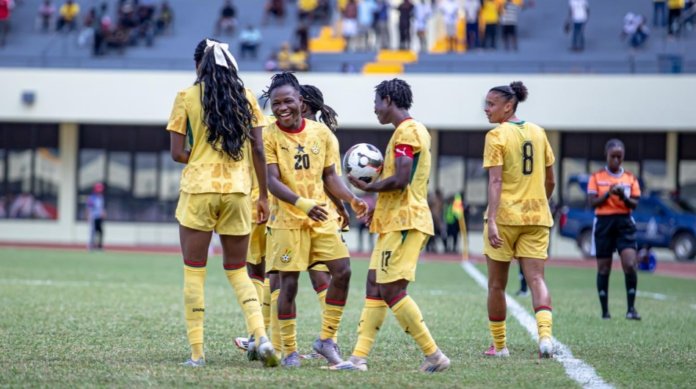
The Confederation of African Football (CAF) has approved the creation of an Under-17 Women’s Africa Cup of Nations as part of a wider plan to develop women’s football across the continent.
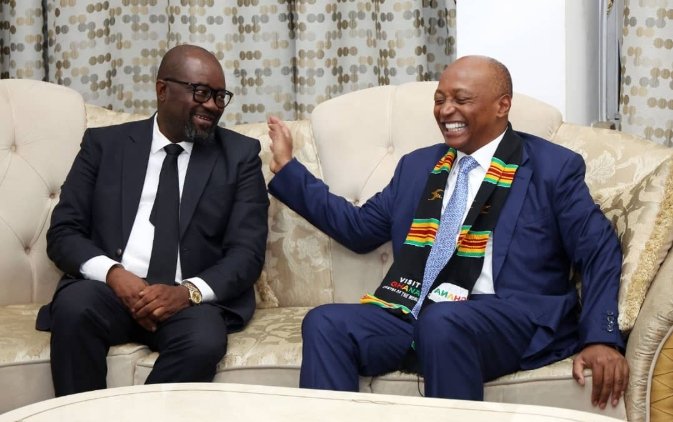
The decision was made by the CAF Executive Committee, chaired by president Patrice Motsepe, at a meeting in Abuja, Nigeria.
The new tournament is intended to give young female players more chances to compete internationally, gain valuable experience and demonstrate their ability on a wider stage. CAF says the competition will also help create a stronger pathway for emerging players and support the development of women’s football at grassroots and youth level.
The governing body has opened the bidding process for the first edition of the tournament. Member Associations interested in hosting the inaugural competition have been invited to register their interest.
CAF has also launched the process to select the host of the 2028 Women’s Africa Cup of Nations (WAFCON).
Interested Member Associations have three weeks to submit their bids to the CAF Secretariat. The tournament is scheduled to be played in March and April 2028, while qualifying matches are expected to start in April 2027.
Refereeing reforms
The Executive Committee also considered measures designed to improve the quality and professionalism of refereeing in African football.
Motsepe highlighted the importance of greater investment in referee development, training and performance across every level of the game.
Olivier Safari Kabene, chairman of the CAF Referees Committee, presented a series of proposals aimed at raising officiating standards.
One of those measures is the CAF Elite Referees Project, which will begin with a training course scheduled for the final week of November 2026.
CAF also intends to establish a Next Generation Referees initiative to identify promising officials and support their development across the continent.
In addition, the organisation is preparing a CAF Referees Manual. The document will set out guidelines and standards intended to promote greater consistency in officiating during CAF competitions.
The decisions taken in Abuja form part of CAF’s broader efforts to expand women’s football, strengthen its competition structures and improve standards throughout the African game.